Start with what you were promised
Your reporting rights begin in the documents you sign. Before you invest, look for how often the sponsor will report, what each report will include, and when annual statements arrive. Ask whether financials will be audited or reviewed.
If the documents are vague, ask for the schedule in writing. A sponsor who is confident in their process will usually answer easily. Knowing the plan up front also gives you something to measure against later.
Clear notices when money moves
The most important reports are the ones tied to your cash. In many private funds, a capital call notice tells you how much money is due, by what date, and what it will be used for. A distribution notice tells you how much is coming to you and where it came from.
In his book on capital raising, Richard C. Wilson covers how an industry group for institutional limited partners released standardized capital call and distribution notice templates. They were the first in a planned series of five reporting templates. The goal was uniform, transparent notices that cost less to administer and monitor.
You can use that idea as a checklist. A good notice should show:
- The amount, due date and payment instructions
- The purpose of the call or the source of the distribution
- How the amount relates to your total commitment
- What remains to be called after this notice
If a notice leaves you guessing about any of these, ask. A clear notice should not need a phone call to decode.
Regular performance reports
Quarterly and annual reports are where you see the bigger picture. The same book notes that standardized templates for quarterly reporting, annual reporting and portfolio metrics were in development. That tells you these are the three areas readers care about most.
A useful periodic report usually includes:
- The value of your investment and how it was calculated
- Activity in the period, such as purchases, sales and major events
- Income and cash flow received or expected
- Fees and expenses charged to you or to the investment
- Progress against the plan, and any change to the plan
Pay attention to the explanation, not just the numbers. A page of figures with no commentary is a warning sign. If results fall short of the plan, good sponsors say so plainly and explain what they are doing about it.
Fees should never be hidden
Reporting should make your costs visible. You should be able to see what was charged, to whom, and why. If a line item is unclear, ask for a breakdown. Our guide on private deal fees walks through the charges you may see, so you know what to look for in a statement.
Consistency and honest timing
The same format each period is a quiet sign of quality. When reports change shape every quarter, it is hard to compare one period with the next. Consistent layouts, consistent definitions and consistent timing make trends easy to spot.
The book also describes alignment of interests, governance and transparency as the themes that matter most for private investments. Reporting is where all three show up in practice. Sponsors who share bad news early tend to earn more trust than those who go quiet.
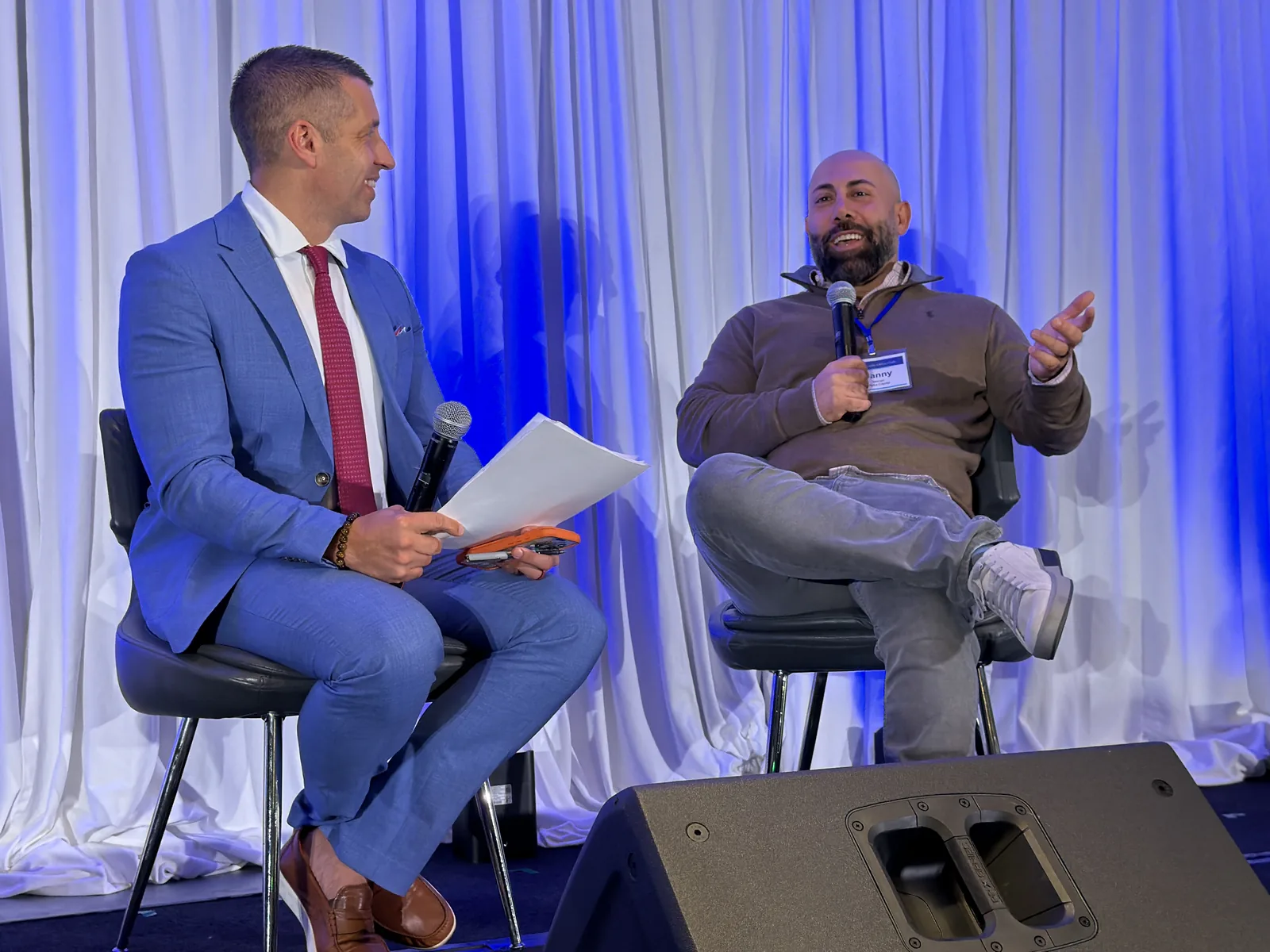
At a Family Office Club workshop, Richard C. Wilson described a simple habit from his own company. Each person sets a few measurable goals for the day and reports at day's end on whether they got done. If something else came up, they say so. Everyone stays informed, and the leader only steps in when something looks off. The same logic works for sponsors. Set clear goals, report against them, and explain any change.
If updates start arriving late, read What if my sponsor sends updates late? for practical next steps.
Reporting for different kinds of investors
Your situation shapes what you need most from a report.
First-time accredited investors. Plain language matters most. Ask for a short summary alongside the full report, and for definitions of any terms you do not recognize. Keep a simple folder of every notice and statement from day one.
Retirees and pre-retirees. Cash flow and timing are often the priority. Look for clear information on when distributions are expected, what could delay them, and how easy it would be to access your money. Some funds only allow exits at set times. Our guides on interval funds and tender offer funds explain how those schedules can work.
Seasoned investors. You may want more detail, such as portfolio-level metrics, a clear bridge from one period's value to the next, and consistent formats across your holdings. Comparing reports across sponsors can show who is open and who is not.
How to follow up
Reporting is a two-way habit. Read each update when it arrives. Keep a running list of questions and send them in one message. Note the answers. Our tips on following up on your investments offer a simple routine.
At a Family Office Club workshop, a point also came up about family control and transparency. Regular family meetings, such as quarterly ones, help manage expectations. If you invest alongside family, sharing reports in a quarterly meeting keeps everyone informed and reduces surprises.
Frequently asked questions
How often should a sponsor report?
It depends on the investment and its documents. Many private funds report quarterly and send an annual statement, with separate notices when money moves. Real estate and operating deals may update on a similar schedule. What matters most is that the schedule is written down and the sponsor keeps to it.
What should I do if a report is confusing?
Ask for an explanation in writing. Point to the specific line or page that is unclear. A good sponsor will welcome the question and may improve the report for everyone. If answers stay vague after a couple of tries, treat that as useful information.
Are standardized reporting templates required?
In general, no. They are industry tools that many institutional investors encourage, and they are not rules for every sponsor. Even so, they give you a helpful benchmark. If a sponsor's notices and reports cover the same ground clearly, you are likely seeing good practice.
Related reading
- 10 Tips for Building Sponsor Relationships
- Annual Review of Private Holdings Checklist
- Private Investor Document Organization Checklist
- Reference Call Checklist
- Sponsor Background Checklist
- Accredited Investor Test Calculator
This site is built from over 19 years of Family Office Club workshops, bootcamps, masterminds and investor events. The club has 17 million registered LinkedIn group members, 19 million social media followers in total, 345 events held and $1B in transactions completed between our members.
Sources
- Private Equity, a book by Richard C. Wilson
- Family Office Club workshop
- Family Office Club mastermind
- SEC Rule 501(a), definition of accredited investor (eCFR)
- SEC: Accredited investors