
Why sponsor reporting matters
In private equity and real estate syndications, transparency between general partners and limited partners is critical. Regular reporting protects your capital and helps you track performance against the original business plan.
In his book on capital raising, Richard C. Wilson writes about the importance of alignment, governance, and transparency between managers and investors. He notes that standardized templates and consistent reporting metrics create industry efficiencies and improve risk management.
When a deal team communicates on time, you can monitor cash flow, capital expenditures, and leasing milestones. Understanding what good sponsor reporting looks like allows you to separate normal operational challenges from systemic neglect.
Common reasons for late updates
Sponsors miss reporting dates for several reasons, ranging from benign administrative backlog to serious underlying issues:
- Accounting and tax delays: Financial statements often take longer at year-end or when third-party CPAs finalize annual returns and K-1s.
- Property or asset transitions: A major renovation, sudden change in property management, or refinancing can pull a small sponsor team away from routine desk work.
- Operational disorganization: Small or first-time syndicators sometimes lack dedicated investor relations staff and fall behind as their portfolio grows.
- Distress or bad news: When occupancy drops, expenses spike, or loan covenants face pressure, some managers delay reports while trying to fix the problem quietly.
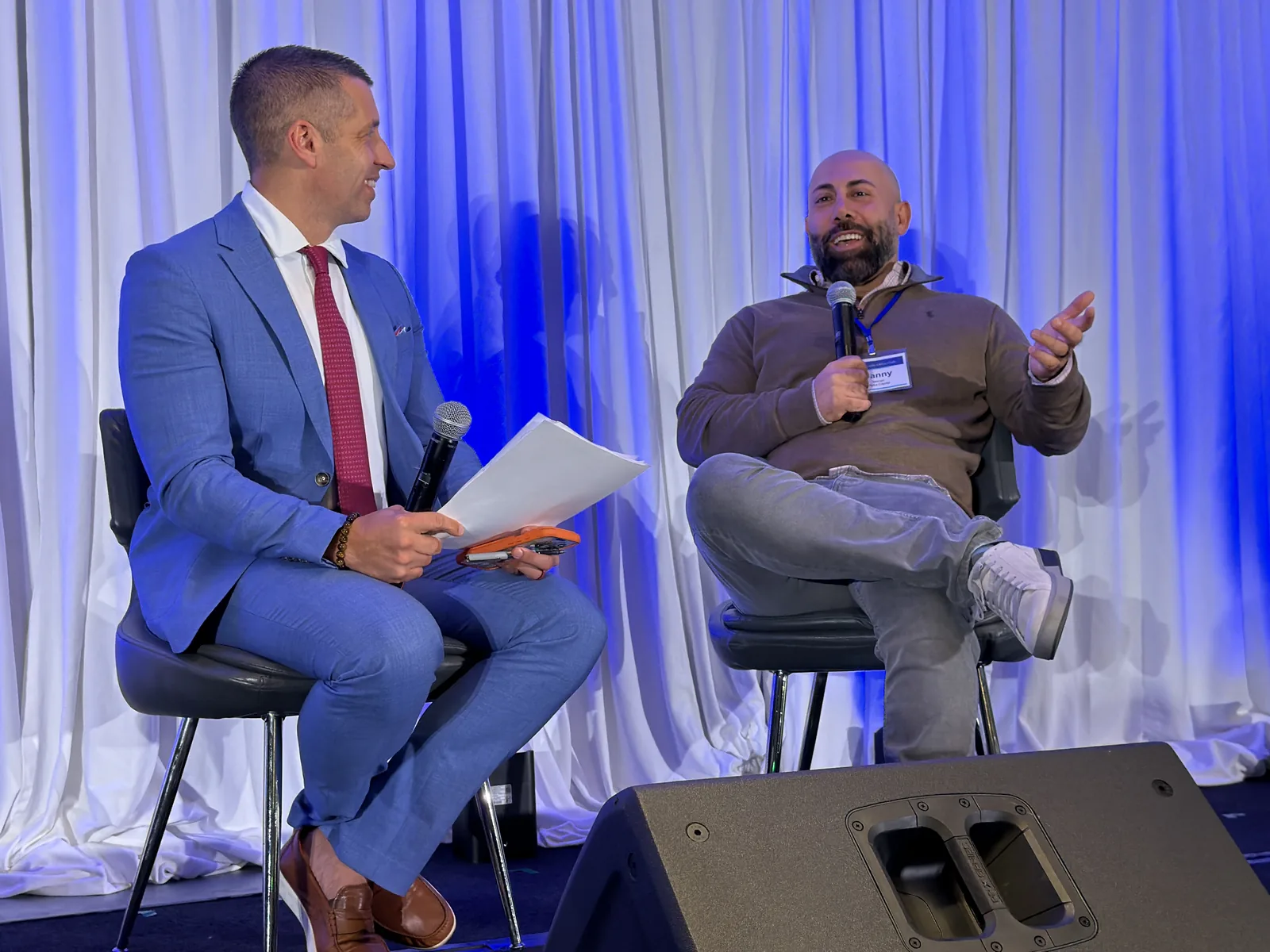
A speaker at a Family Office Club event noted that alternative assets do not trade daily, so investors and custodians typically require an updated valuation at least once per year. When an investment sponsor fails to provide even basic annual figures, it creates administrative problems for retirement accounts and makes portfolio monitoring difficult.
Practical steps when an update is overdue
When your report is late, handle the situation methodically rather than waiting months in silence.
First, review your private placement memorandum and subscription agreement. Most partnership agreements state whether updates are monthly or quarterly, along with standard delivery windows such as 45 or 60 days after quarter-end.
Second, send a brief, courteous email asking for the status of the update and an estimated delivery date. Keep your tone professional. Tracking your communications creates a clear paper trail if issues escalate. Reviewing 8 tips for following up on your investments can help you structure your outreach effectively.
Third, if written requests receive no answer, schedule a brief phone call with the investor relations lead or managing partner. Ask specific questions about current occupancy, net operating income, debt service coverage, and cash reserves.
Finally, connect with fellow limited partners if communication breaks down completely. Group requests often encourage a non-responsive general partner to hold an investor update call.
Preventing communication problems in future deals
You can avoid many communication headaches before you wire funds into your next private deal.
During initial due diligence, ask the sponsor for redacted sample updates from previous deals. Review whether their historical reports provide clean income statements, balance sheets, and narrative explanations of variances against projections.
You can also run background checks on the management team. Learning how to run sponsor reference calls helps you speak with existing investors about whether the manager delivers reports and distributions on time. In his book, Richard C. Wilson explains that focus and disciplined execution separate strong operators from average ones. A manager who treats investor reporting as a core duty is far more likely to manage your capital with the same discipline.
Frequently asked questions
How often should a private placement sponsor send investor updates?
Most real estate and private equity sponsors provide quarterly reports within 30 to 60 days after the end of each calendar quarter. Some early-stage development projects provide monthly progress emails, while certain private funds provide quarterly financial summaries alongside comprehensive audited annual statements.
Is a late investor update a legal breach of the partnership agreement?
It depends on the terms in your operating or limited partnership agreement. While many agreements specify target reporting timelines, they often include cure periods and rarely treat an administrative delay alone as an automatic default. Continued refusal to share required financial records, however, may violate state law inspection rights or contractual reporting duties.
What should I do if the sponsor stops responding entirely?
If a manager stops answering emails and phone calls for multiple quarters, send a formal written demand letter requesting access to partnership books and records as permitted under your operating agreement. If silence persists, consulting with other limited partners in the syndicate is usually the next logical step to decide on formal joint action.
Related reading
- 10 Tips for Building Sponsor Relationships
- Reference Call Checklist
- Sponsor Background Checklist
- The Bad Actor Rule and How It Protects Investors
- Form D for Investors: What It Tells You
- Accredited Investor Test Calculator
This site is built from over 19 years of Family Office Club workshops, bootcamps, masterminds and investor events. The club has 17 million registered LinkedIn group members, 19 million social media followers in total, 345 events held and $1B in transactions completed between our members.
Sources
- Private Equity, a book by Richard C. Wilson
- Multifamily Investing by Richard C. Wilson
- Family Office Club investor event
- SEC Rule 501(a), definition of accredited investor (eCFR)
- SEC: Accredited investors
- SEC EDGAR full-text search
