
How Interval Funds Work
An interval fund is a type of closed-end management investment company registered under the Investment Company Act. Unlike traditional mutual funds, interval fund shares do not trade on secondary public exchanges. Instead, the fund periodically offers to repurchase a stated percentage of its outstanding shares directly from shareholders at net asset value.
Under SEC rules, interval funds make repurchase offers every three, six, or twelve months. The repurchase amount typically ranges from 5 percent to 25 percent of the fund's total assets. The board sets these terms, and the schedule is fixed in advance. Because the fund promises periodic redemptions, it can hold a substantial amount of illiquid assets, such as private credit, direct real estate, private equity, or infrastructure debt, while still providing structured exit points.
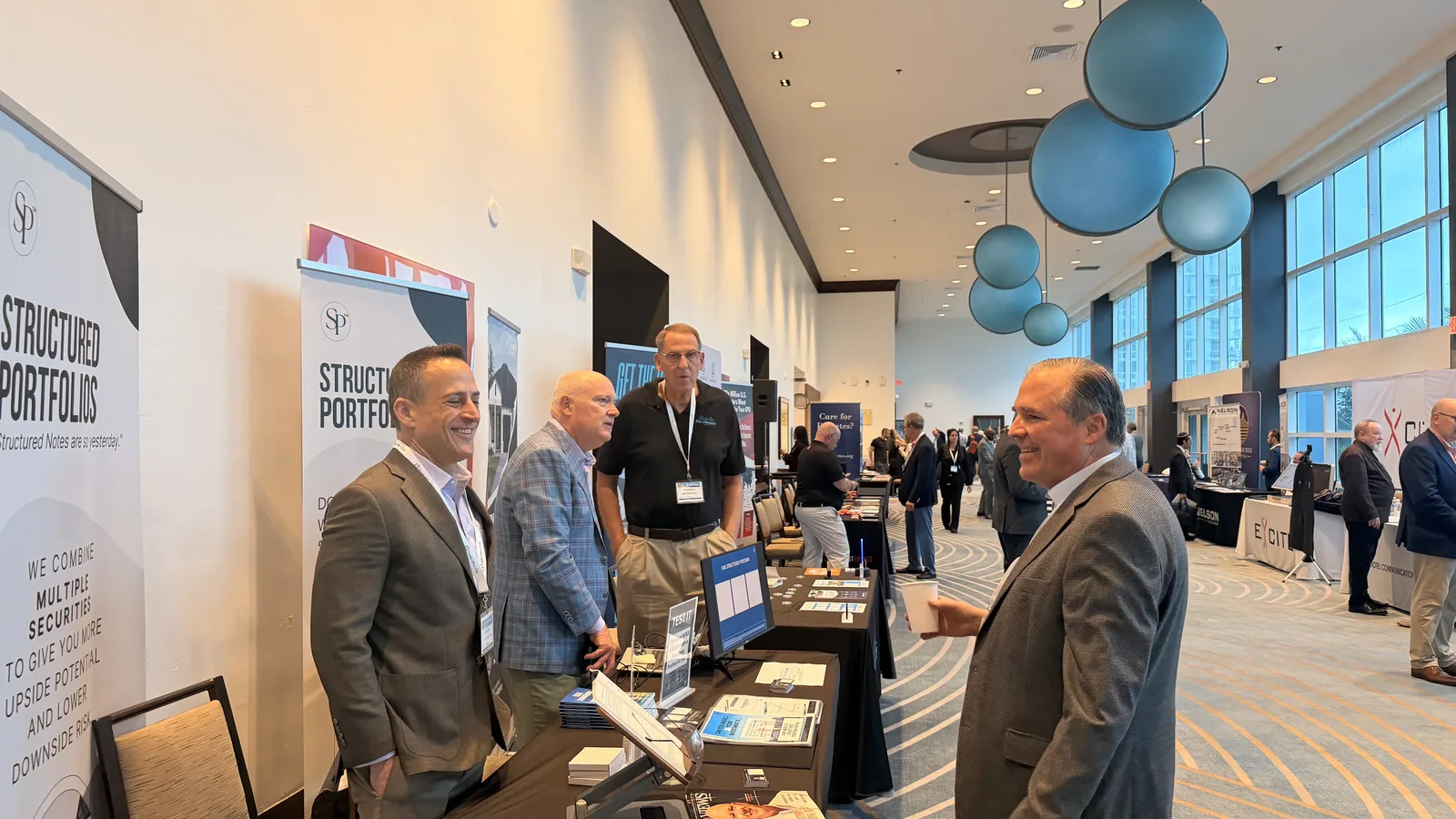
As a speaker at a Family Office Club event pointed out, interval funds have expanded access to niche private asset classes, allowing individuals to participate in direct commercial investments with lower minimum checks and clear liquidity terms.
How Tender Offer Funds Differ
A tender offer fund is also a registered closed-end fund, but it operates without the rigid calendar schedule required of interval funds. Instead of committing to repurchase shares at fixed dates, a tender offer fund conducts share buybacks at the sole discretion of its board of directors.
When a tender offer fund decides to repurchase shares, it files formal tender offer documents with the SEC and notifies shareholders. These offers usually occur once or twice a year, or quarterly, but the board is not legally obligated to make an offer in any specific quarter. If market conditions deteriorate or the underlying assets face liquidity constraints, the board can reduce the offer size or skip a period entirely.
This flexibility makes tender offer funds popular for strategies that invest in deeply illiquid holdings, such as early-stage private equity or direct co-investments, where forced asset sales to meet a fixed redemption schedule could harm remaining shareholders. For investors comparing vehicles, reviewing Evergreen Private Funds and Open-Ended Vehicles provides helpful context on how these fund structures operate alongside perpetual private funds.
Comparing Key Features
The primary differences between interval funds and tender offer funds center on redemption certainty, portfolio flexibility, and regulatory oversight:
- Repurchase Frequency: Interval funds follow a set calendar schedule (quarterly, semi-annually, or annually). Tender offer funds offer repurchases at board discretion.
- Repurchase Size: Interval funds commit to a fixed band between 5 percent and 25 percent of net asset value per period. Tender offer funds define the percentage with each individual offer.
- Pro-Rata Redemptions: If investor redemption requests exceed the total repurchase amount in either fund type, buybacks occur on a pro-rata basis. Investors receive cash for a fraction of their requested shares and must submit another request in a future window.
- Asset Illiquidity: Interval funds must maintain enough liquid assets to satisfy their stated repurchase percentages. Tender offer funds can hold higher concentrations of private, illiquid securities because they lack mandatory repurchase schedules.
- Investor Qualification: Many interval funds are open to all investors with low minimums. Tender offer funds are often structured for accredited investors or qualified clients, particularly when performance fees are charged.
Understanding these structural differences helps investors evaluate whether a vehicle matches their cash flow timeline. Anyone wondering can I sell my private investment early? should recognize that neither structure offers immediate, on-demand liquidity.
Understanding Liquidity and Valuation Risk
While these funds provide more access to capital than traditional closed-end private equity funds with ten-year lockups, they carry unique liquidity mechanics.
In his book, Richard C. Wilson writes about the fundamental nature of liquidity risk, noting that during market disruptions, the ability to exit a position can change dramatically as bid-ask spreads widen and underlying markets freeze. In an interval or tender offer fund, if many investors request redemptions at the same time, the fund will cap total repurchases at the stated limit. Investors may only receive a small percentage of their money back during that cycle.
Pricing is another critical consideration. Fund managers calculate net asset value on a periodic basis, often monthly or quarterly, relying on independent valuations of private assets. Investors buying or redeeming shares transact at these calculated values rather than market prices set on an exchange. To review how managers report valuations and handle asset pricing, consult our guide on what good sponsor reporting looks like.
Portfolio Fit for Different Reader Situations
Different types of investors use interval funds and tender offer funds to solve specific portfolio challenges:
Retirees and Pre-Retirees
Retirees often seek regular income without the daily price swings of publicly traded equities. Interval funds focused on private credit, real estate debt, or structured income can provide higher yields than public bonds. The predictable quarterly liquidity window allows retirees to plan cash distributions for living expenses, provided they maintain an adequate cash buffer outside the fund for unexpected needs.
First-Time Accredited Investors
Investors who recently crossed the accredited investor threshold ($1,000,000 net worth excluding a primary residence, or $200,000 in individual income, $300,000 joint) often want exposure to private markets without locking capital away for a decade. Interval funds offer an accessible entry point with lower minimum commitments, standard 1099 tax reporting instead of complex K-1 forms, and periodic repurchase options.
Seasoned Investors and Family Offices
Experienced investors use both vehicles to maintain exposure to private credit, infrastructure, secondaries, and specialized equity. In his book, Richard C. Wilson discusses how portfolio optimization relies on a diversified mix of asset classes, balancing liquid equities and bonds with less liquid holdings. Seasoned investors often allocate to tender offer funds when they want exposure to private equity managers who require flexibility to hold investments until optimal sale conditions arise.
Frequently asked questions
Can an interval fund refuse to buy back my shares?
An interval fund cannot cancel a scheduled repurchase offer because the schedule is fixed in its fundamental policies. However, if total redemption requests from all shareholders exceed the offer amount, the fund will repurchase shares on a pro-rata basis. You might only redeem a portion of your requested amount during that cycle.
How are interval funds and tender offer funds taxed?
Most interval funds and tender offer funds are structured as registered investment companies that pass income and capital gains directly to investors on a Form 1099. This eliminates the multi-state tax filings and delayed schedules common with partnership K-1 forms, though some specialized private funds may still utilize partnership tax treatment.
What fees do these funds charge?
These funds typically charge an annual management fee, shareholder servicing fees, and underlying operational expenses. Tender offer funds that charge performance-based incentive fees must restrict those share classes to qualified clients under SEC rules. Checking the fund prospectus reveals the full annual expense ratio before investing.
Related reading
- How Private Funds Work for Limited Partners
- Before You Wire Funds Checklist
- 3(c)(1) vs 3(c)(7) Funds: What It Means for You
- Co-Investments Alongside Funds and Sponsors
- Hedge Funds for Accredited Investors
- Accredited Investor Test Calculator
This site is built from over 19 years of Family Office Club workshops, bootcamps, masterminds and investor events. The club has 17 million registered LinkedIn group members, 19 million social media followers in total, 345 events held and $1B in transactions completed between our members.
Sources
- Family Office Club library reference text
- Family Office Club investor event
- Hedge Fund Marketing Best Practices by Richard C. Wilson
- SEC Rule 501(a), definition of accredited investor (eCFR)
- SEC: Accredited investors
- SEC Rule 205-3, qualified client (eCFR)
- SEC Rule 2a51-1, qualified purchaser investments (eCFR)
