1. Adopt a multi-year mindset
Strong relationships in private markets take considerable time to establish. Those who make decisions with long-term positioning and results in mind build real value, whereas people who only focus on closing an immediate transaction often struggle. Expect that getting to know a sponsor and reviewing their offerings may take one, two, or even three years before you complete your first investment together.
2. Make the first move and initiate contact
Do not wait for opportunities to land in your inbox. In his book, Richard C. Wilson points out that taking the initiative to reach out shows genuine interest, which is often all someone needs to feel connected. You can research active syndicators, fund managers, and operators directly through industry databases or professional platforms.
3. Connect during your business travels
When you travel to other cities for work or personal trips, look up local sponsors and investment groups in advance. Reaching out to schedule brief introductory meetings while in town demonstrates initiative and helps put a face to your name. Meeting in person builds personal rapport far faster than remote messaging alone.
4. Respond quickly and consistently
Reliability is one of the most valued traits in private capital partnerships. If a sponsor sends deal updates, answers your questions, or requests information, make a point to reply in a timely manner. Being responsive shows respect for the sponsor's time and signals that you will be an organized partner when reviewing future opportunities.
5. Help solve problems before investing
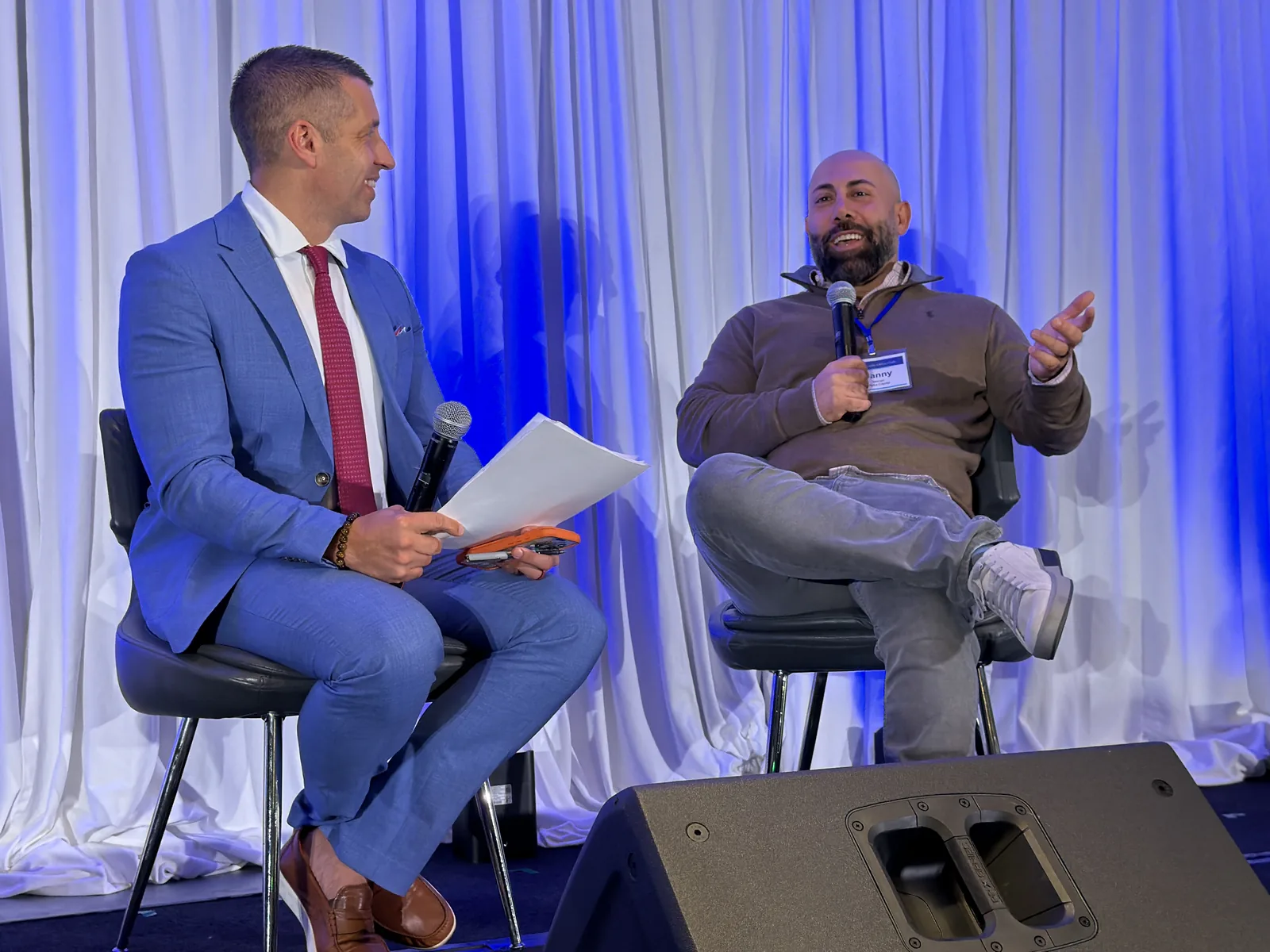
Look for opportunities to assist a sponsor even before you participate in an offering. At a Family Office Club workshop, Richard C. Wilson explained how helping a prospective partner solve a difficult operational or liquidity problem can build trust that eventually leads to a formal business relationship. Providing a helpful industry connection or sharing operational insights establishes your credibility early.
6. Focus on a specific niche or asset class
Sponsors prefer working with investors who clearly understand their specific market or property type. Developing deep knowledge in a focused sector makes your conversations more productive and allows you to evaluate offerings with confidence. You can review how family offices find and source deals to see how experienced capital allocators concentrate their resources in target sectors.
7. Participate in investor communities
Active networking groups, forums, and conferences offer direct access to vetted operators and like-minded allocators. Attending structured industry gatherings lets you observe how sponsors interact with their peers and existing investors. If you want to expand your contact base, read our guide on how to choose an investor network to find the right environment for your goals.
8. Confirm your accreditation details early
Private placements operate under strict regulatory exemptions that govern investor qualifications. Under Rule 506(b), issuers can include unlimited accredited investors and up to 35 non-accredited sophisticated purchasers without general solicitation. Under Rule 506(c), sponsors may publicly market their deals, but every purchaser must be accredited and verified through tax forms, bank records, or third-party letters. Having your verification documents organized in advance makes the subscription process simple for the sponsor.
9. Review regulatory filings and past performance
Before committing capital to a new sponsor, examine their operational track record and public disclosures. You can look at Form D for investors: what it tells you to learn how to track when an issuer first sells private securities. Reviewing these filings helps you understand the sponsor's capital-raising history, offering size, and basic entity structure.
10. Stay in touch through market cycles
Consistent contact keeps you top of mind when new opportunities arise. Share occasional updates, ask thoughtful questions about market conditions, and maintain the dialogue even when you decide to pass on a specific offering. Long-term partners who stay engaged through different economic cycles receive early looks at future co-investments and direct deals.
Frequently asked questions
How do sponsors verify my accredited investor status?
For offerings under Rule 506(c), the SEC requires sponsors to take reasonable steps to verify accreditation. Verification methods include reviewing IRS tax forms from the two most recent years to confirm an income over $200,000 individually or $300,000 jointly with a spouse or spousal equivalent. Alternatively, sponsors can review bank or brokerage statements and credit reports dated within the prior three months to confirm a net worth over $1,000,000, excluding your primary residence. You may also provide a written confirmation letter from a licensed attorney, CPA, registered broker-dealer, or SEC-registered investment adviser.
What is the difference between a sponsor and a broker?
A deal sponsor is the general partner or operating company that identifies the asset, manages daily business operations, and oversees the business plan. A broker is an intermediary who connects buyers and sellers or helps market securities for a commission. Building a direct relationship with a sponsor gives you direct access to the management team responsible for the underlying investment performance.
Can entities and trusts invest with sponsors directly?
Yes, business entities and trusts can invest directly with sponsors provided they meet the regulatory requirements. Corporations, LLCs, partnerships, and trusts generally qualify as accredited investors if they hold total assets exceeding $5,000,000 and were not formed for the specific purpose of acquiring the securities. Additionally, any entity in which all equity owners are accredited investors qualifies automatically under SEC rules.
Related reading
- 8 Tips for Following Up on Your Investments
- 12 Tips for Networking With Family Offices
- Getting the Most From Investor Events
- What Good Sponsor Reporting Looks Like
- What if my sponsor sends updates late?
- Accredited Investor Test Calculator
This site is built from over 19 years of Family Office Club workshops, bootcamps, masterminds and investor events. The club has 17 million registered LinkedIn group members, 19 million social media followers in total, 345 events held and $1B in transactions completed between our members.
Sources
- Family Office Club library reference text
- The Marketer's Bible by Richard C. Wilson
- Family Office Club workshop
- SEC Rule 501(a), definition of accredited investor (eCFR)
- SEC Rule 506 (eCFR)
- SEC: Accredited investors
- SEC EDGAR full-text search