
Run public records and regulatory checks
Every private placement requires specific legal filings that create a public paper trail. In the United States, most private deals rely on Regulation D exemptions such as Rule 506(b) or Rule 506(c). Under federal rules, issuers must file a Form D notice with the Securities and Exchange Commission within 15 days after the first sale of securities. You can search the SEC EDGAR database freely to confirm that the sponsor filed this form for the specific entity offering the deal.
Federal securities laws also enforce bad actor disqualification rules under Rule 506(d). These rules prevent offerings from using Rule 506 exemptions if the sponsor, its general partners, or key executives have certain past regulatory sanctions, criminal convictions, or court injunctions. You can search state corporate registries to ensure the management company and fund entities are in good standing. You can also use our Sponsor Background Checklist to guide your review of civil court dockets, bankruptcy filings, and professional licensing records.
Verify the identity and track record
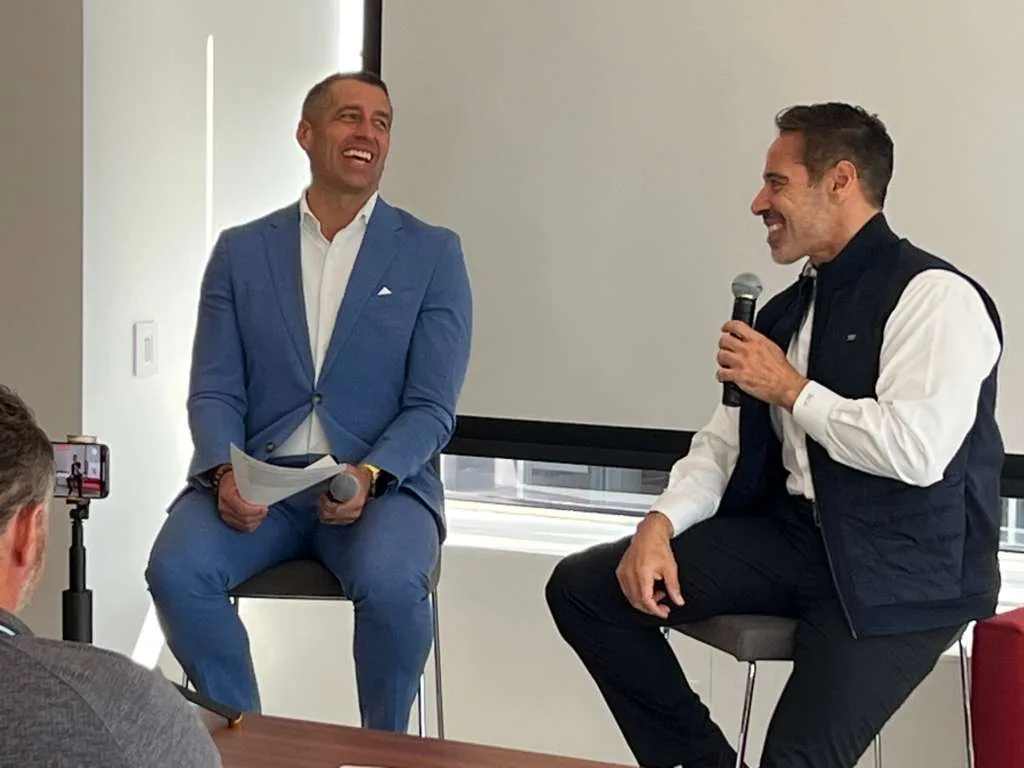
At a Family Office Club mastermind, Richard C. Wilson explained that experienced investors experience a flight to trust. In many cases, investors care more about verifying who the sponsor is than the specific strategy on paper. Real legitimacy means confirming that the principals are truly who they claim to be.
Take practical steps to audit their past performance:
- Request full historical track records, not just selected case studies. You can use our guide on Verifying a Sponsor's Track Record to inspect full realization numbers.
- Ask to speak with prior investors who have been in past deals with the sponsor, including deals that underperformed.
- Confirm prior property ownership or business transactions through public deed records, local news reports, or commercial real estate databases.
- Check references from key vendors, such as property managers, lenders, title companies, or escrow agents who worked with them.
A speaker at a Family Office Club event pointed out that you cannot eliminate risk, but you can minimize it by conducting deep due diligence before you ever wire capital. Taking time to call third-party references helps you confirm that the operating history is accurate and that past distributions were paid as described.
Look for operational transparency and in-person engagement
Legitimate operators welcome careful questions and provide clear legal documents. They issue a formal private placement memorandum, an operating agreement, and a subscription agreement. These documents clearly explain fees, waterfall structures, and voting rights.
Meeting the sponsor in person at industry events, masterminds, or property walkthroughs provides an added layer of safety. A legitimate sponsor maintains a consistent physical presence, stands behind their business, and communicates openly about market challenges. To evaluate how an operator manages an investment over time, review our guide on How to Evaluate a Private Deal Sponsor.
Frequently asked questions
What are the red flags of a fraudulent sponsor?
Common warning signs include promises of high returns with no downside, pressure to wire funds immediately, missing Form D filings, and reluctance to share detailed legal documents. Another red flag is a sponsor who only provides general marketing summaries rather than specific, audited, or verifiable historical data.
Can a sponsor be legitimate without a ten-year track record?
Yes. Newer sponsors often spin out of established institutions or bring strong operational experience from corporate careers. In these situations, look for a deep background in their specific niche, transparent explanations of their prior roles, personal co-investment alongside limited partners, and conservative debt structures.
Does an SEC filing mean the government endorsed the sponsor?
No. An SEC Form D filing is merely a notice that an issuer is offering securities under a private placement exemption. The SEC does not review, approve, or endorse the merits, financial soundness, or management quality of private offerings. Investors must conduct their own independent due diligence.
Related reading
- 10 Tips for Evaluating a Sponsor
- Before You Wire Funds Checklist
- What Good Sponsor Reporting Looks Like
- How do I wire funds safely for a private investment?
- Your First Private Deal Checklist
- Accredited Investor Test Calculator
This site is built from over 19 years of Family Office Club workshops, bootcamps, masterminds and investor events. The club has 17 million registered LinkedIn group members, 19 million social media followers in total, 345 events held and $1B in transactions completed between our members.
Sources
- Family Office Club investor event
- Family Office Club mastermind
- Family Office Club workshop
- SEC Rule 501(a), definition of accredited investor (eCFR)
- SEC Rule 506 (eCFR)
- SEC: Accredited investors
- SEC EDGAR full-text search