
How the Series 7 license qualifies you
Under Rule 501(a)(10) of Regulation D, the SEC allows individuals to qualify as accredited investors based on specific professional credentials. The General Securities Representative qualification, known as the Series 7, is one of these recognized credentials.
For decades, qualification was tied strictly to personal wealth. An investor needed an individual income over $200,000 or a joint income over $300,000 in each of the last two years, with a reasonable expectation of the same level this year, or a net worth over $1,000,000 excluding their primary residence. When the SEC expanded the definition, it created a path for financial professionals who understand investment risk through their daily work, regardless of their current net worth.
To learn about the other qualifying credentials alongside the Series 7, you can review our guide on Professional Licenses That Make You Accredited.
Maintaining good standing and employment rules
To qualify through your credential, your Series 7 license must be active and in good standing. An expired license or one that has lapsed does not count.
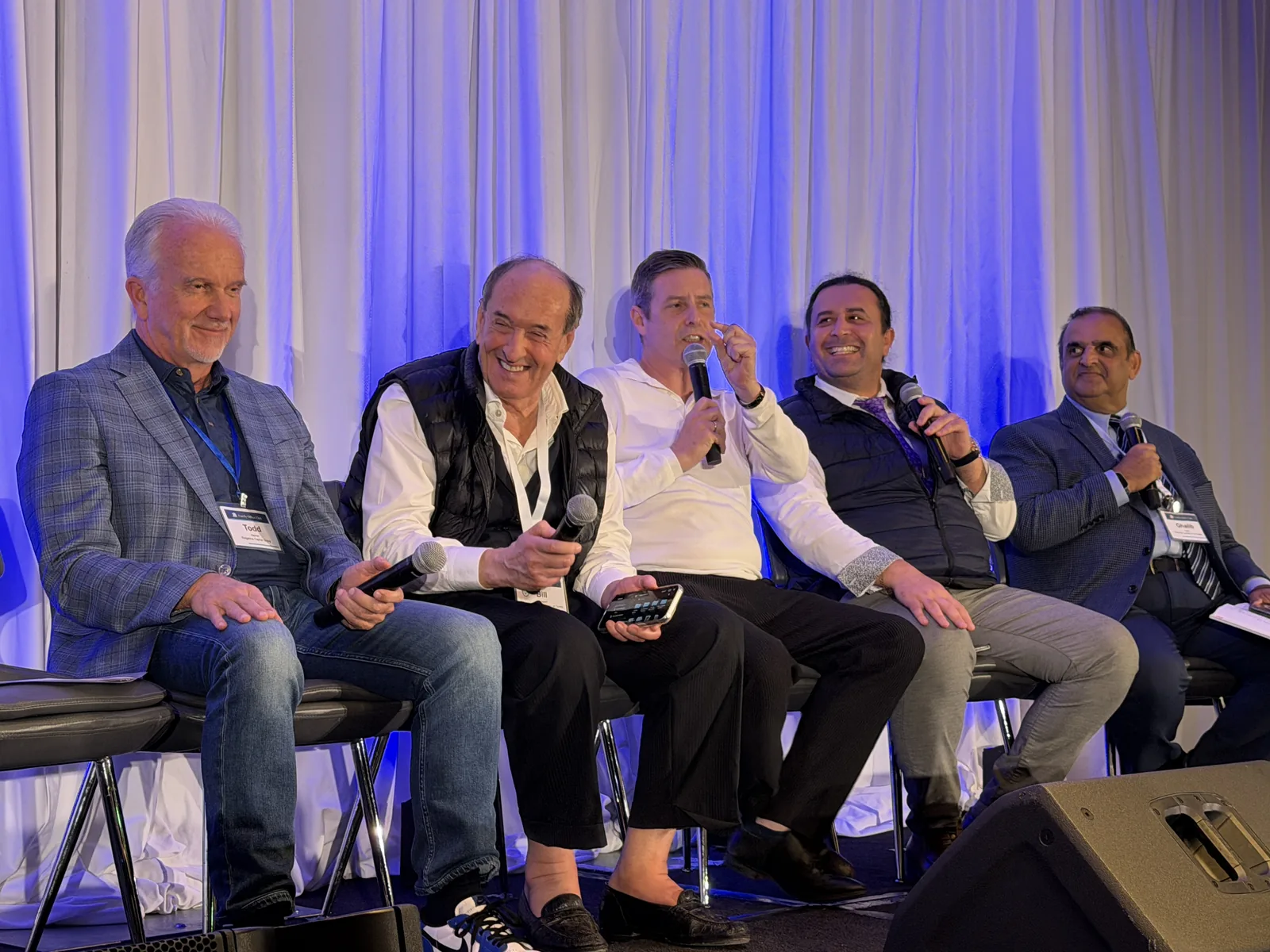
You must also consider your firm's internal compliance policies. As a speaker at a Family Office Club event pointed out, professionals who hold active securities licenses with major brokerage houses or financial firms are often subject to strict employer rules regarding private securities transactions. Before participating in outside private placements, you generally need compliance approval from your employing broker-dealer.
In his book on fund marketing, Richard C. Wilson writes that established firms take licensing requirements seriously to protect accounts and client relationships. This strict compliance culture extends to personal investing. Even though the SEC considers you accredited, your employer may still restrict which private offerings you can enter.
Verifying your status in private deals
When you invest in a private placement, the deal sponsor must confirm your accredited status.
In a Rule 506(b) offering, the issuer must have a reasonable belief that you qualify. In a Rule 506(c) offering, where public solicitation is permitted, the issuer must take reasonable steps to verify your status.
Unlike investors who must provide tax returns, pay stubs, or brokerage statements, Series 7 holders usually face a simple verification process. The issuer or a third-party verification service can look up your Central Registration Depository number on FINRA BrokerCheck. Confirming that your Series 7 registration is active and in good standing satisfies the verification requirement. If you are an executive receiving equity pay or an employee evaluating private deals, you can also explore whether Can a W-2 employee invest in private deals? applies to your colleagues who do not hold a license.
Frequently asked questions
What other securities licenses qualify someone as an accredited investor?
In addition to the Series 7, the SEC recognizes the Series 65 (Licensed Investment Adviser Representative) and the Series 82 (Private Securities Offerings Representative). Holders of these licenses in good standing qualify as accredited investors under the same professional certification rule.
Does my Series 7 license make my spouse an accredited investor?
No. Qualifying through a professional license applies only to the individual who holds the credential. If you and your spouse want to invest jointly using financial metrics rather than your license, you can look into The Accredited Investor Income Test, Explained Simply to see if your combined household income meets the $300,000 threshold.
What happens to my accredited status if I leave my broker-dealer?
A Series 7 license must be associated with a registered broker-dealer to remain active. If you leave your firm and your license is parked or lapses into an inactive state, you can no longer use Rule 501(a)(10) to qualify. You would then need to qualify under the standard income or net worth thresholds.
Related reading
- Does my 401(k) count toward accredited investor net worth?
- How long does accredited investor verification take?
- Restricted Securities and Rule 144 in Plain English
- What Good Sponsor Reporting Looks Like
- Does cryptocurrency count toward accredited net worth?
- Accredited Investor Test Calculator
This site is built from over 19 years of Family Office Club workshops, bootcamps, masterminds and investor events. The club has 17 million registered LinkedIn group members, 19 million social media followers in total, 345 events held and $1B in transactions completed between our members.
Sources
- The Hedge Fund Book by Richard C. Wilson
- Hedge Fund Marketing Best Practices by Richard C. Wilson
- Family Office Club investor event
- SEC Rule 501(a), definition of accredited investor (eCFR)
- SEC Rule 506 (eCFR)
- SEC: Accredited investors
- SEC Rule 144 (eCFR)