
Resistance to Standard Background Checks
A transparent sponsor welcomes standard verification. In his book on single family offices, Richard C. Wilson writes that background checks are a standard practice among seasoned investors to help reduce the risk of fraud. While a check cannot guarantee good behavior, it confirms whether the sponsor has a record of regulatory sanctions, undisclosed bankruptcies, or criminal convictions.
In his book, Richard C. Wilson points out that simply requiring a background check can weed out bad actors. Anyone who resists or refuses this basic step presents an immediate warning sign. You can review our Private Deal Red Flag Checklist for specific items to look for during this initial review stage.
Artificial Urgency and Pressure to Wire Capital
Legitimate private placements take time to review. Sponsors must give you adequate space to review subscription documents, operating agreements, and private placement memorandums. When a promoter claims that an allocation will disappear within hours or pressures you to wire funds immediately, treat that as a major signal to slow down.
High-pressure tactics often aim to bypass your normal review routine. Before transferring any money, take time to verify wire instructions independently over the phone using a trusted number. Walking through the Before You Wire Funds Checklist helps ensure you have confirmed every operational detail before sending capital.
Outsized Return Promises with Zero Downside
Every private investment involves real risk of loss. Federal antifraud rules prohibit misleading statements to investors, and a promise of guaranteed returns on a private equity, real estate, or venture capital deal is a serious red flag. If an offering deck highlights double-digit annual returns while glossing over market risks, execution hurdles, or illiquidity, the sponsor is not being candid.
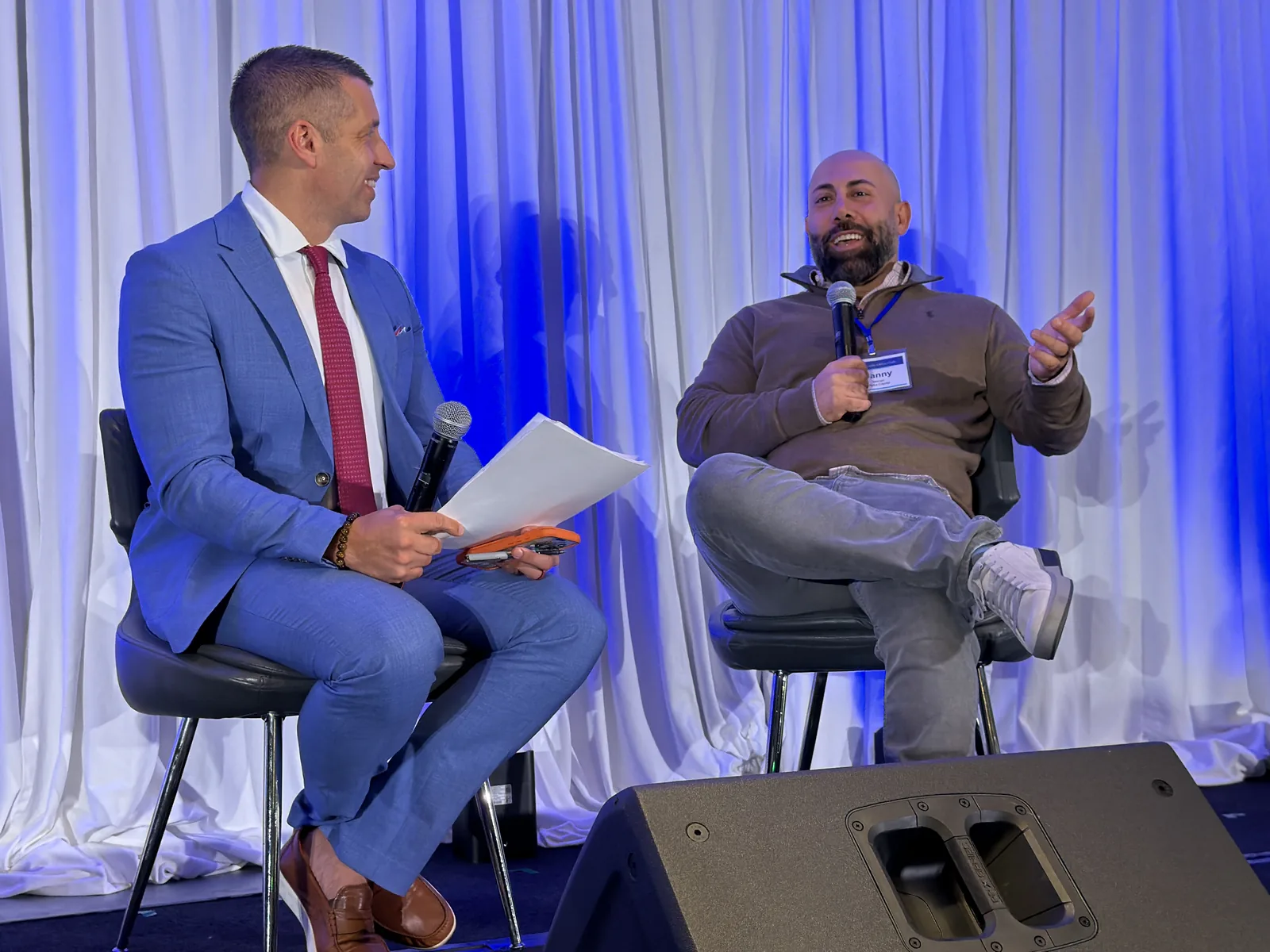
A speaker at a Family Office Club event explained that chasing performance and overestimating absolute returns while ignoring underlying risk is one of the most costly mistakes investors make. Realistic operators discuss potential downsides openly and outline how they plan to manage unexpected setbacks.
Opaque Fees and Layered Structures
Private investments involve management fees and profit allocations, but those terms should be clearly stated in writing. Be cautious of offerings that hide operational expenses, transaction fees, or administrative markups in complex legal language.
Unclear structures make it difficult to determine how much profit actually flows to limited partners. For more tips on evaluating sponsor economics and manager alignment, read our 10 Tips for Spotting Red Flags Early.
Missing Audits and Non-Standard Custody
Legitimate fund managers use independent third parties to verify their numbers and safeguard assets. A reputable private fund typically works with independent fund administrators, reputable accounting firms for annual audits, and established custodians to hold capital.
When a sponsor handles all fund accounting in-house without an external audit, you have no independent verification of the asset values. If an issuer cannot produce recent audited financial statements or references from trusted professional partners, consider that a reason to pause.
Spotting Red Flags Across Different Investor Situations
Your individual background and life stage influence which red flags require your closest attention:
- First-time accredited investors: If you recently qualified under the individual net worth threshold of over $1,000,000 (excluding your primary residence) or the income test of over $200,000 individually ($300,000 jointly) in each of the last two years, with a reasonable expectation of the same level this year, you may encounter heavy marketing. Watch out for sponsors who ask you to self-certify without explaining the illiquidity of Rule 506 offerings.
- Retirees and pre-retirees: Capital preservation is critical when you no longer earn active employment income. Be on guard against private yield products that promise safe monthly income while locking up your principal for years without reliable secondary market liquidity.
- Seasoned investors: When evaluating complex syndications or co-investments, watch for shifts in the sponsor's core strategy. A sponsor branching into an unfamiliar asset class or taking on excessive debt can jeopardize an otherwise sound track record.
Frequently asked questions
What should I do if a sponsor refuses to provide an audited financial statement?
Ask for an explanation in writing and request alternative independent records, such as tax returns or third-party bank statements. If the manager manages pooled investor capital but refuses to provide independent verification of past performance and asset values, it is usually safer to pass on the opportunity.
Are all private offerings required to register with the SEC?
Private placements conducted under Regulation D, such as Rule 506(b) or Rule 506(c), are exempt from standard registration. However, the issuer must still file a notice on Form D with the SEC within 15 days after the first sale of securities.
How does a Rule 506(b) offering differ from a Rule 506(c) offering regarding red flags?
In a Rule 506(c) offering, sponsors may publicly advertise, but they must take reasonable steps to verify that every purchaser is accredited. A sponsor in a 506(c) deal who allows you to invest simply by checking a box without verifying income or net worth documentation is violating SEC rules, which is an immediate red flag.
Related reading
- Private Equity Fund Due Diligence Checklist
- Preferred Returns and Hurdle Rates Made Simple
- Private Deal Fees Explained: What You Really Pay
- Private Credit Fund Due Diligence Checklist
- Self-Directed IRA Private Deal Checklist
- Accredited Investor Test Calculator
This site is built from over 19 years of Family Office Club workshops, bootcamps, masterminds and investor events. The club has 17 million registered LinkedIn group members, 19 million social media followers in total, 345 events held and $1B in transactions completed between our members.
Sources
- The Single Family Office, a book by Richard C. Wilson
- Direct Investments, a book by Richard C. Wilson
- Family Office Club event
- SEC Rule 501(a), definition of accredited investor (eCFR)
- SEC Rule 506 (eCFR)
- SEC: Accredited investors
- SEC EDGAR full-text search
