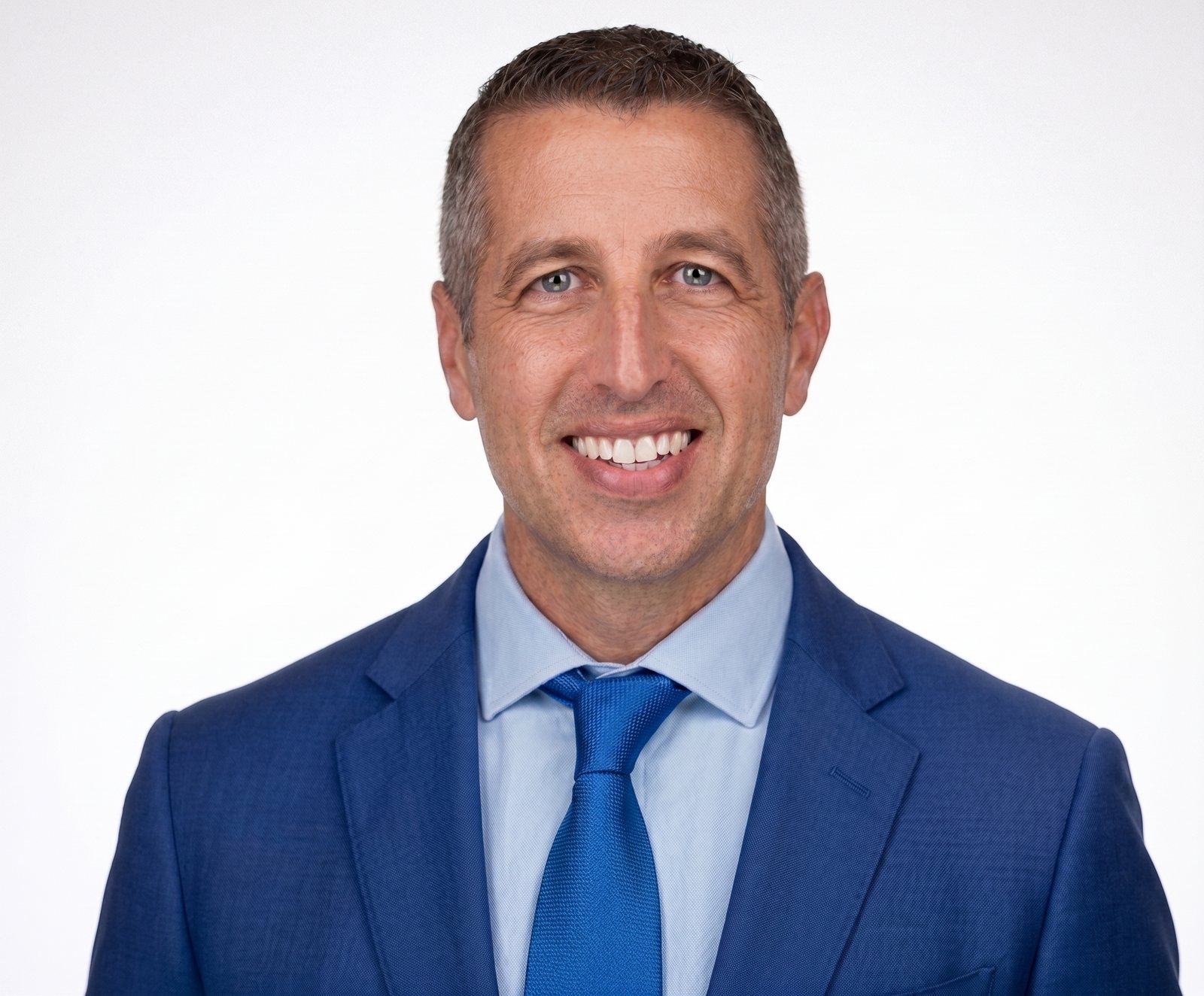
Watch Small Business & Startup Private Investor Mandate Interview on YouTube, from the Family Office Club channel (@FamilyOfficeClub).
This video features an interview with an experienced private technology investor discussing his investment mandate, return targets, and due diligence methods. It helps accredited investors, family offices, and business owners understand how active venture and seed-stage investors build diversified portfolios, evaluate technical risks, and partner with domain specialists to avoid costly early-stage mistakes.
What the video covers
The interview examines how an active technology investor participates on company capitalization tables through three distinct structures: as an individual angel investor, through a private family office, and via special purpose investment vehicles created for accredited individuals and institutions. The investor focuses primarily on North America and Europe, with selective opportunities in other regions, preferring direct equity stakes over debt instruments.
The conversation outlines a multistage deployment strategy. Initial positions begin with five or six figures and grow to seven figures as portfolio companies validate their business models and hit operating milestones. To offset the high failure rate inherent in seed and early-stage companies, the investor targets an overall annualized return of at least twenty-five percent across the portfolio, requiring each potential deal to show a pathway toward a tenfold return within five years.
The discussion also explores how to evaluate high-risk opportunities that lack historical financial records. Deep technology, healthcare, and biomedical companies require specialized scientific judgment and forward-looking analysis rather than basic spreadsheet modeling. The host and guest emphasize that relying on big-name endorsements is dangerous, as prominent figures may hold only symbolic advisory shares without meaningful financial commitment. Investors must conduct independent due diligence, diversify broadly, and collaborate with niche experts.
Key points
- Early-stage technology investing requires treating the sector as a distinct asset class that demands wide diversification rather than trying to pick a few individual winners.
- Investment structures can include direct personal angel checks, family office entities, or pooled special purpose vehicles.
- Initial check sizes often scale from modest five or six figure allocations up to seven figures as companies prove their commercial viability.
- High-risk venture portfolios need minimum target thresholds, such as a potential tenfold return within five years, to achieve an overall annualized return target of twenty-five percent.
- Deep technology, health, and biomedical startups require evaluating future possibilities with limited data instead of relying on past accounting statements.
- Name-brand backing or celebrity endorsements do not replace independent due diligence, especially when notable participants have little actual capital at risk.
Who will get the most from it
This video is well suited for accredited investors considering their first direct investments in private technology or healthcare startups. It is also useful for family offices, executives, and business owners looking to refine their early-stage asset allocation strategies and diligence standards.
Frequently asked questions
What sectors and business stages does the investor focus on?
The investor focuses primarily on seed and early growth-stage companies with proprietary intellectual property or sustainable competitive advantages. More than half of the portfolio concentrates on healthcare and biomedical innovations, followed by energy, advanced materials, and environmental sustainability.
Why is deep sector expertise essential for early-stage diligence?
Early-stage technology ventures have little historical financial data, meaning investors must evaluate technical feasibility and market risk looking forward. Generalist financial analysis is rarely sufficient, making it vital to work with domain specialists who understand the science, patent strength, and practical commercial barriers.
Related videos
- Global Small Business Private Investor Mandate Interview
- Small Business & Yield Investor: Recently Liquid Private Investor Mandate Interview
- Growth Capital for Small Businesses: Private Investor Mandate Interview
- Pre-Seed & Seed Technology Startup Investor Mandate Interview
Related reading
- Search Funds and Small Business Acquisition Investing
- After a Business Sale Checklist
- Real Estate Syndication Due Diligence Checklist
Part of the Family Office Club library: over 19 years of investor events, 17 million registered LinkedIn group members and 345 events held.
Sources
- Family Office Club YouTube channel video uGoULe-mfsE, summarized from the video itself
- SEC Rule 501(a), definition of accredited investor (eCFR)
- SEC: Accredited investors
Education from the Family Office Club. Not affiliated with the SEC. Not investment, legal or tax advice.