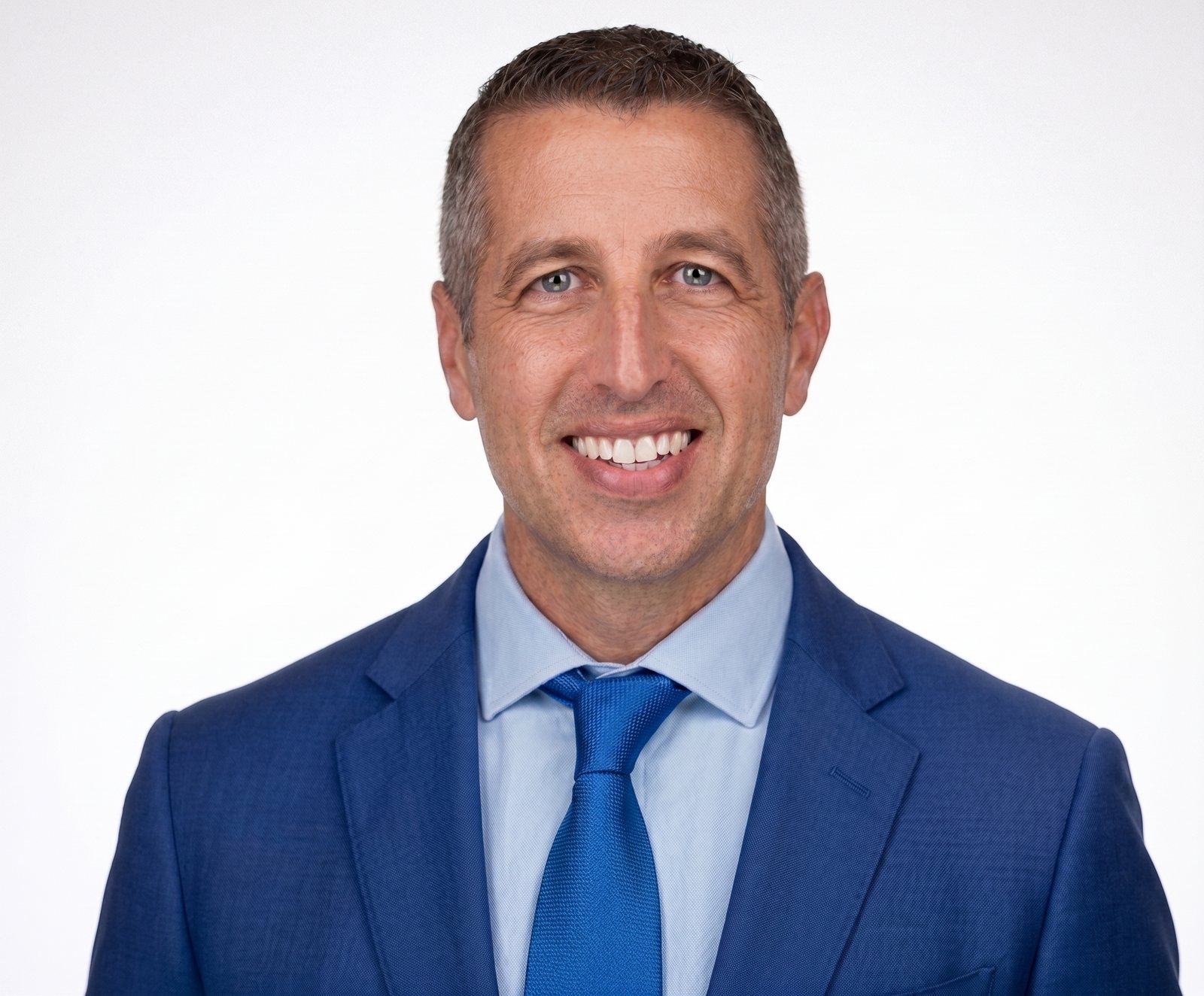
Watch Growth Capital for Small Businesses: Private Investor Mandate Interview on YouTube, from the Family Office Club channel (@FamilyOfficeClub).
This video interview explores how private investor networks evaluate growth stage companies and structure investments across healthcare, energy, and emerging technology. The discussion helps high-net-worth individuals and family offices understand how experienced groups avoid early stage risk, screen for business stability, and build balanced allocations across private asset classes.
What the video covers
The interview features an investor representing a network of single family offices and high-net-worth executives. The guest explains why their group shifted away from early seed deals toward growth stage and later stage investments. Early venture investing often comes with high failure rates, while growth companies with validated revenue and clearer market acceptance offer more stability.
Healthcare is a major focus for the group, particularly life sciences, medical devices, and digital health. For biotechnology opportunities, the group prefers companies that have entered clinical trials rather than preclinical concepts that require long timelines and vast capital. For medical devices and diagnostics, they look for products with clear regulatory clearances or pending submissions that have a realistic path to scale.
The discussion also covers how the network evaluates emerging technology and energy deals. The investor explains their three-year test, which asks whether a target company is likely to remain viable three years into the future based on its team, validation, and strategic partners. Passing this test helps private groups avoid complete write-offs and preserve capital.
In addition, the guest outlines how family offices combine private equity, venture, real estate, and real assets to target steady returns over multi-year horizons. The interview closes with advice on joining established investor groups to gain access to quality deal flow and specialized industry knowledge.
Key points
- Moving from seed stage to growth stage deals helps private investors reduce portfolio write-offs and improve overall consistency.
- In healthcare and life sciences, backing companies with active clinical trials or clear regulatory clearances reduces timeline risk.
- A simple three-year survival test helps filter out fragile businesses before capital is deployed.
- Participating alongside proven management teams and experienced co-investors allows groups to write larger checks with greater confidence.
- Combining venture deals with private equity, real estate, and real assets helps balance risk across different market cycles.
- Partnering with specialized peer networks gives private investors access to higher quality deal flow than working alone.
Who will get the most from it
This video is ideal for accredited investors seeking to transition from early angel deals into more stable growth capital opportunities. It also provides practical value for business owners and executives looking to allocate capital across healthcare and emerging technology. Family offices wanting to refine their direct investment criteria will find useful screening frameworks throughout the conversation.
Frequently asked questions
Why do some private investor groups prefer growth stage companies over seed stage deals?
Early stage ventures carry high failure rates where many investments result in a total loss. Growth stage businesses usually have working products, active customer revenue, and clearer market demand, which provides greater stability and lowers the risk of writing off the investment.
How does the investor network manage the complexities of healthcare and medical device investing?
The group focuses on companies that have reached clinical trial stages or are close to regulatory clearances rather than early research. They also collaborate with specialized organizations and research groups that help guide health companies through development milestones and clinical requirements.
Related videos
- Global Small Business Private Investor Mandate Interview
- Growth Equity Private Investor Mandate Interview
- Small Business & Yield Investor: Recently Liquid Private Investor Mandate Interview
- HNW Private Investor Mandate Interview: Operating Businesses, healthcare & Pet Products
Related reading
- Operating Agreement Review Checklist
- Capital Calls Explained for New LPs
- Operating Agreement Key Terms for Passive Investors
Part of the Family Office Club library: over 19 years of investor events, 17 million registered LinkedIn group members and 345 events held.
Sources
- Family Office Club YouTube channel video AoMyqWXSTOY, summarized from the video itself
- SEC Rule 501(a), definition of accredited investor (eCFR)
- SEC: Accredited investors
Education from the Family Office Club. Not affiliated with the SEC. Not investment, legal or tax advice.