
The shift to public advertising
For decades, private funds and startup companies could only raise capital through quiet, personal networks. Under traditional private placement exemptions like Rule 506(b), managers cannot use any general advertising or public solicitation.
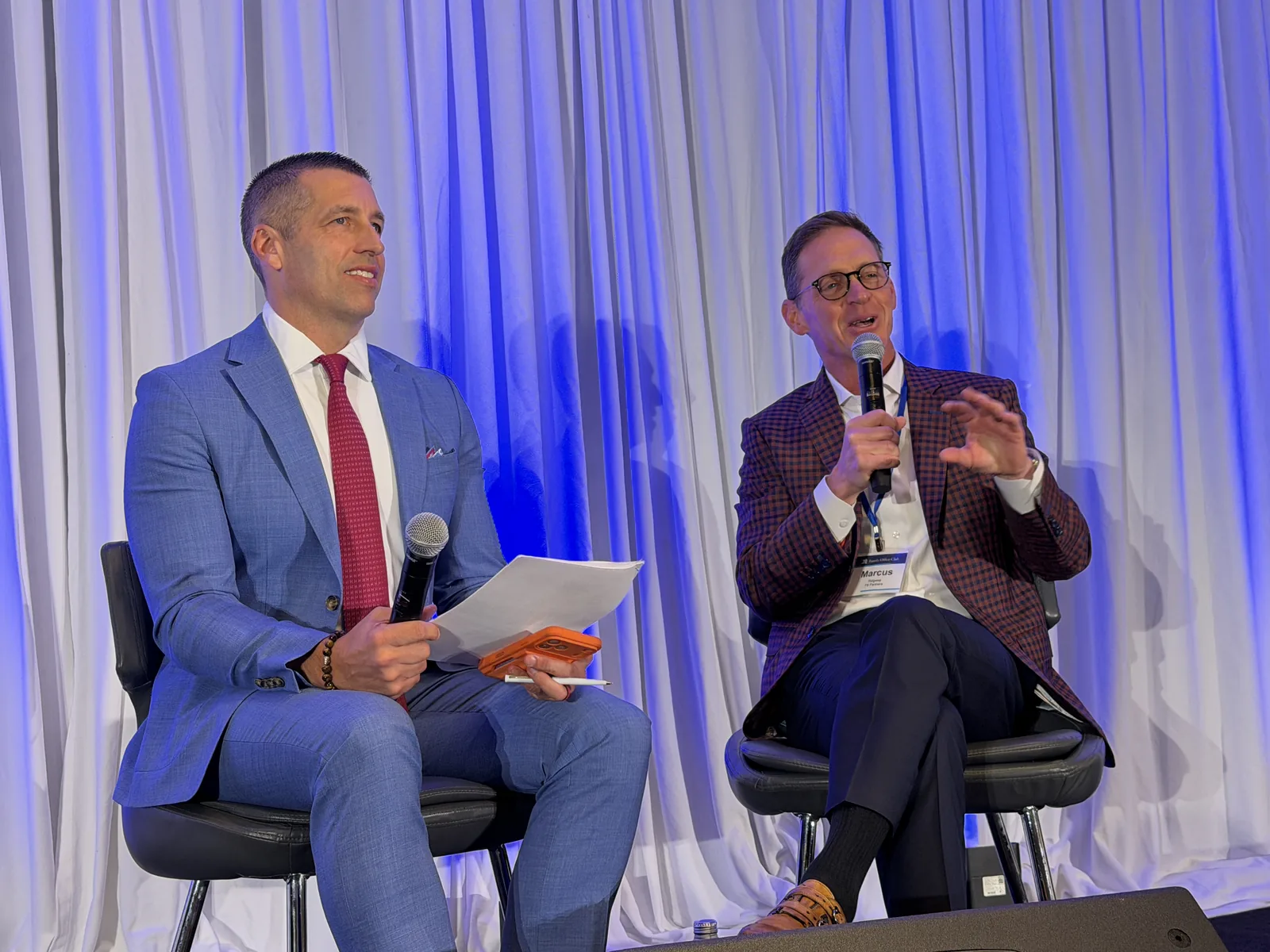
That framework changed with the introduction of Rule 506(c). Under this exemption, issuers can market their offerings to the general public across digital channels. At a Family Office Club workshop, Richard C. Wilson explained that Rule 506(c) allows deal sponsors to talk publicly about their offerings on platforms like LinkedIn or host educational podcasts without violating solicitation restrictions, as long as they verify their investors. To learn more about this framework, read our guide to General Solicitation: Why You See Private Deal Ads.
How modern investor funnels work
Sponsors use online ads to reach high-net-worth individuals where they spend time every day. In his book on capital raising, Richard C. Wilson describes an investor funnel as a series of educational assets, public exposure, and relationship-building channels that bring in qualified inquiries.
Today, managers build digital funnels using several tools:
- Sponsored posts on social networks targeting business owners, doctors, and corporate executives.
- Search ads that appear when people look up real estate syndications or private equity topics.
- Email newsletters and direct mail offering market commentary and deal overviews.
- Dedicated podcasts discussing specific investment strategies, such as commercial real estate or independent sponsor buyouts.
Seeing an ad does not mean the deal is registered with the SEC or endorsed by any regulator. It simply means the sponsor is running a publicly solicited private placement.
Verification requirements for advertised deals
While anyone can see an online ad, not everyone can invest. Under Rule 506(c), the issuer must take reasonable steps to verify that every single purchaser meets the accredited investor standards. Checking a box on a website is not enough.
To participate in an advertised deal, you will usually need to provide documentation showing you meet one of the qualifying tests:
- An individual income over $200,000 in each of the two most recent years, or joint income with a spouse or spousal equivalent over $300,000, with a reasonable expectation of reaching the same level this year.
- A net worth over $1,000,000, alone or jointly with a spouse or spousal equivalent, excluding the value of your primary residence.
- A valid Series 7, Series 65, or Series 82 securities license held in good standing.
In a 506(c) offering, a written confirmation from a licensed attorney, CPA, registered broker-dealer, or SEC-registered investment adviser can help verify your status. It is a way to verify, not a separate way to qualify.
To explore how these requirements differ from non-advertised offerings, see our guide on Rule 506(b) vs 506(c): What Investors Should Know.
Frequently asked questions
Can non-accredited investors participate in advertised 506(c) deals?
No. Unlike 506(b) offerings, which allow up to 35 sophisticated non-accredited purchasers, Rule 506(c) offerings require that every single purchaser is verified as an accredited investor.
Are advertised private deals riskier than non-advertised deals?
Not necessarily, but they require the same careful review. Public advertising allows a sponsor to cast a wider net, but it does not change the underlying risk of the asset, the fee structure, or the illiquid nature of private securities.
Why do some fund managers still refuse to advertise publicly?
Many managers prefer Rule 506(b) because it avoids asking investors for sensitive financial documents like tax returns or bank statements. If you want to understand how private partnerships manage these relationships, review How Private Funds Work for Limited Partners.
Related reading
- Private Investment Fee Review Checklist
- Non-Accredited Investors in 506(b) Deals
- Verifying a Sponsor's Track Record
- Can I sell my private investment early?
- Why does a 506(b) deal need a pre-existing relationship?
- Accredited Investor Test Calculator
This site is built from over 19 years of Family Office Club workshops, bootcamps, masterminds and investor events. The club has 17 million registered LinkedIn group members, 19 million social media followers in total, 345 events held and $1B in transactions completed between our members.
Sources
- Family Office Club workshop
- Richard C. Wilson capital raising training series
- The Hedge Fund Book by Richard C. Wilson
- SEC Rule 501(a), definition of accredited investor (eCFR)
- SEC Rule 506 (eCFR)
- SEC: Accredited investors
