
What counts as a pre-existing relationship?
There is no single required meeting or waiting period that makes a relationship pre-existing. The point is that the issuer should know enough about a prospective investor before presenting the offering to make a thoughtful, private approach. A brief contact created only to send deal materials may not show the same kind of relationship as an ongoing conversation.
That connection can develop through repeated conversations, an existing professional or personal relationship, or participation in an investor community. The quality and history of the contact matter more than simply being added to a mailing list. An issuer may also learn about your experience, investment interests, and financial qualifications before deciding whether to share an offering.
Why the rule matters to investors
Rule 506(b) permits an issuer to sell to an unlimited number of accredited investors and up to 35 non-accredited purchasers who are sophisticated alone or with a purchaser representative. Non-accredited purchasers must receive specified disclosure. The issuer needs a reasonable belief that investors are accredited. A written investor questionnaire is generally enough to meet that standard, unless the issuer knows or has reason to doubt the answers.
The restriction on general solicitation is the other side of this private offering route. Public posts, open invitations, or ads promoting a specific deal can raise concerns under 506(b). For a comparison with the route that permits general solicitation, see Rule 506(b) vs 506(c): What Investors Should Know.
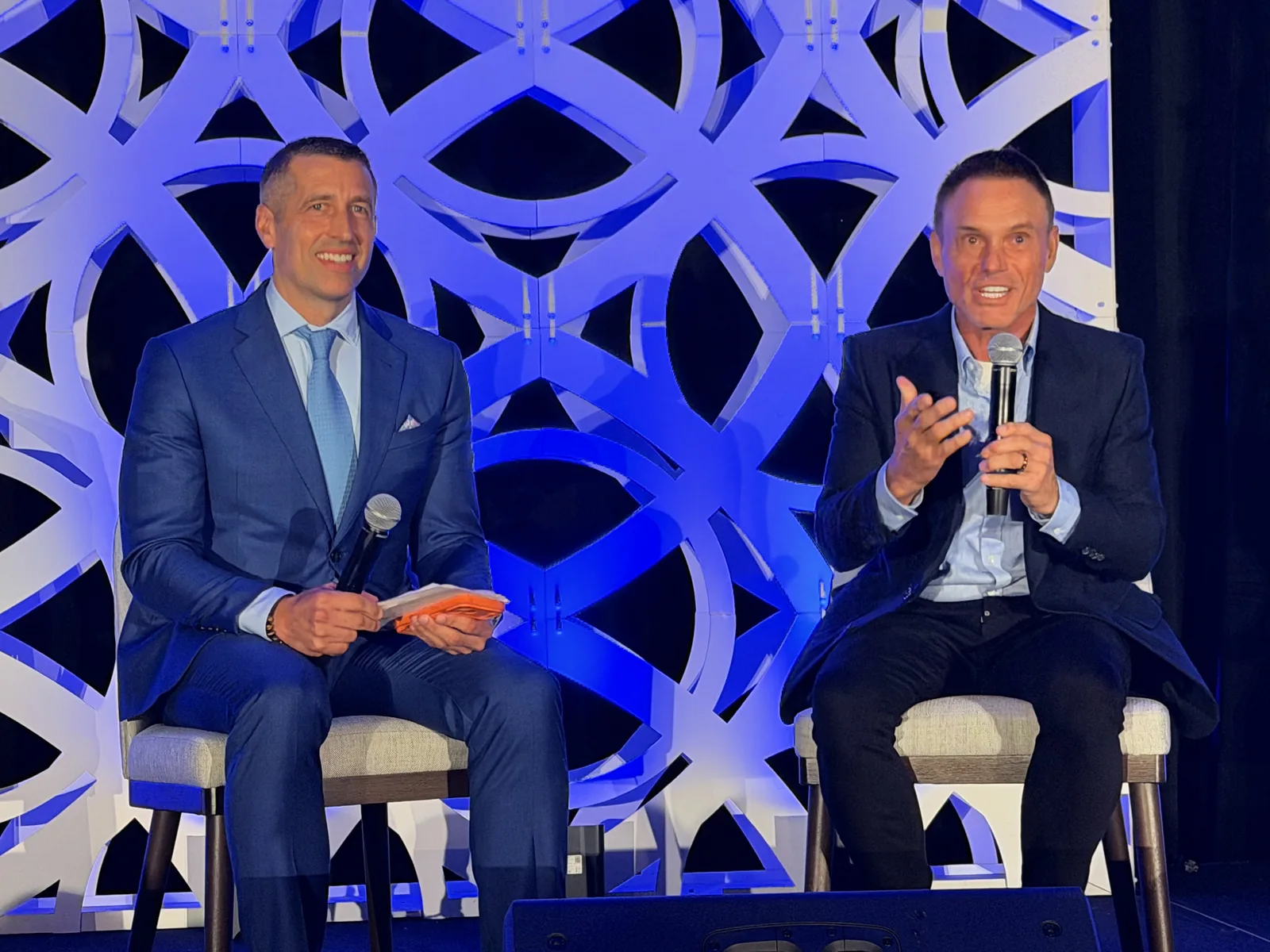
At a Family Office Club workshop, Richard C. Wilson described investor courtship as a long-term relationship, distinct from hiring a consultant or active adviser on retainer. He also noted that a call can be important and that printed materials may help. The practical lesson is to look for a real process of getting to know each other, not a single form or contact that exists only to deliver an offering.
What investors can ask
If someone contacts you about a 506(b) offering, you can ask how they learned about you and what information they considered before sharing the deal. You can also ask when the relationship began and whether the offering has been discussed publicly. These questions help you understand how the issuer approached investors. They do not prove compliance on their own.
An established relationship also does not remove the need to review the offering carefully. You still need to understand the terms, risks, and required disclosures that apply to your situation. A Form D filing is a notice filed after the first sale. It is not SEC approval of the investment. Learn more in Form D for Investors: What It Tells You.
Frequently asked questions
Does a pre-existing relationship mean I am an accredited investor?
No. The relationship concerns how the issuer approached you. Accreditation is a separate question. In 506(b), an issuer needs a reasonable belief that an investor is accredited, and limited non-accredited participation is also permitted under the rule's conditions.
Can an issuer build a relationship and send the deal the same day?
There is no universal waiting period. The key issue is whether the issuer had a meaningful basis to know you before presenting the offering. A last-minute sign-up created just to receive deal materials may not show that kind of prior relationship.
Can a 506(b) issuer advertise the deal publicly?
Generally, no. Rule 506(b) does not permit general solicitation. An issuer that wants to publicly promote an offering may consider a different exemption, but each route has its own requirements. This page is educational and is not legal, tax, or investment advice.
Related reading
- General Solicitation: Why You See Private Deal Ads
- How to Evaluate a Private Deal Sponsor
- How do I look up a deal's Form D?
- Your First Private Deal Checklist
- Private Deal Red Flag Checklist
- Accredited Investor Test Calculator
This site is built from over 19 years of Family Office Club workshops, bootcamps, masterminds and investor events. The club has 17 million registered LinkedIn group members, 19 million social media followers in total, 345 events held and $1B in transactions completed between our members.
Sources
- Family Office Club workshop
- Family Office Club event
- Richard C. Wilson capital raising training series
- SEC Rule 501(a), definition of accredited investor (eCFR)
- SEC Rule 506 (eCFR)
- SEC: Accredited investors
- SEC EDGAR full-text search
