
How a sponsor promote works
In real estate syndications and private equity deals, the sponsor handles the daily work, while limited partners provide the majority of the equity. The profit distribution follows a tiered schedule known as a waterfall. Understanding distribution waterfalls explained step by step helps clarify how each dollar flows from property cash flow or sale proceeds.
Usually, investors receive their money back first along with an agreed preferred return. A common preferred return hurdle might be 8 percent or 10 percent per year. Once investors achieve that return, remaining profits get split between the investors and the sponsor.
For example, on a deal with an 8 percent preferred return and an 80/20 promote split, investors receive 100 percent of cash flows until they reach their 8 percent annual return. Any profit above that 8 percent mark is split, with 80 percent going to the investors and 20 percent going to the sponsor as the promote.
What makes a promote structure fair
A promote is meant to align incentives. If the deal underperforms, the sponsor earns very little. If the asset exceeds expectations, both sides share in that success.
At Family Office Club events, investors often point to several factors that determine whether a promote is genuinely fair:
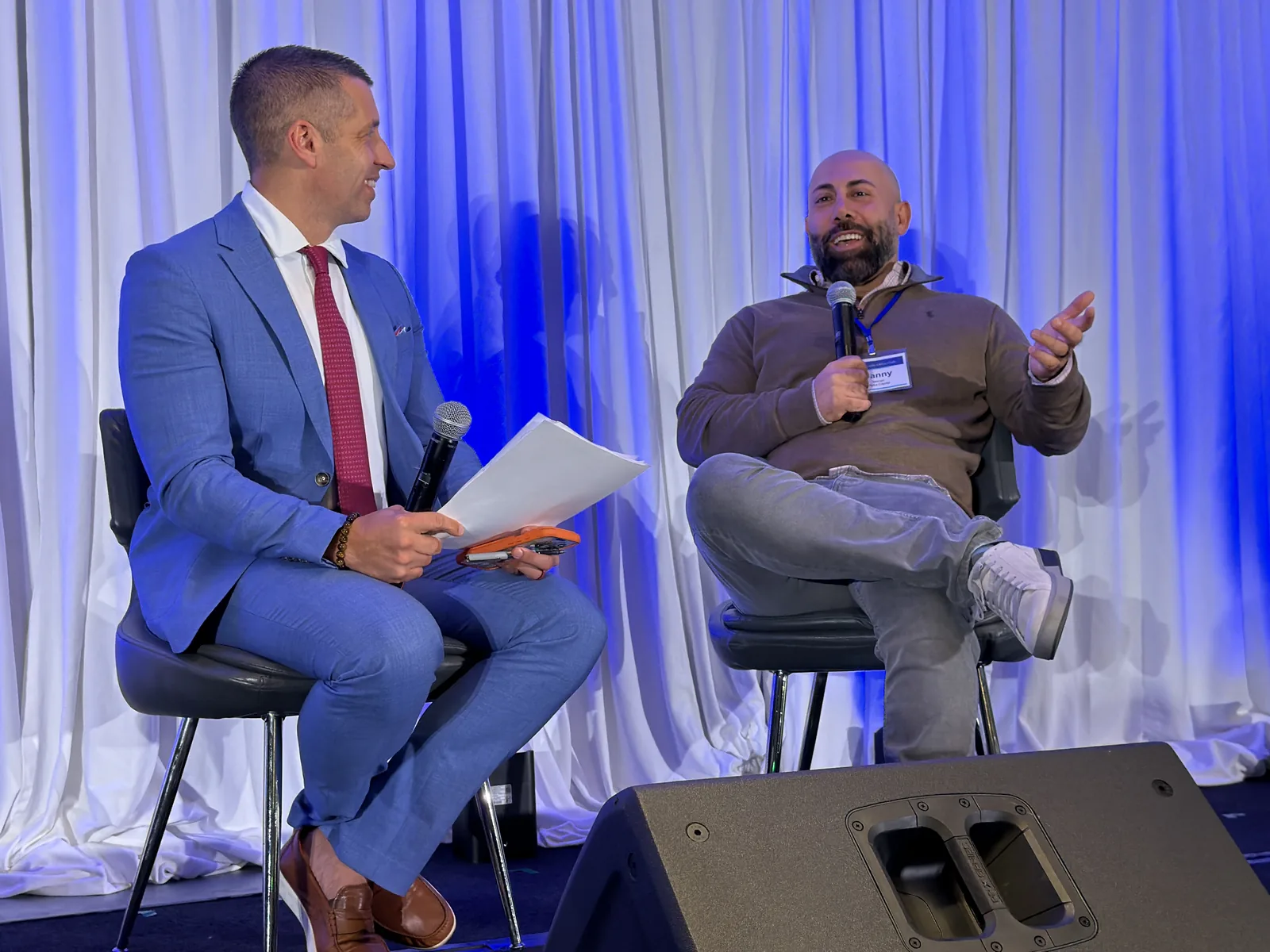
- Real capital commitment: A speaker at a Family Office Club event pointed out that real alignment requires the sponsor to invest meaningful hard dollars into the transaction alongside outside investors. When a sponsor has their own net worth on the line, their interests match yours.
- Appropriate hurdle rates: The preferred return must reflect the risk of the asset. An 8 percent to 10 percent preferred return is common in value-add real estate, ensuring passive investors earn a steady baseline before performance fees apply.
- Balanced upfront fees: If a sponsor charges heavy acquisition fees, asset management fees, and disposition fees, they can extract profits even if the deal fails. In our private deal fees explained: what you really pay guide, we explore how stacked fees erode investor returns. A promote is fair when the sponsor relies primarily on performance rather than fixed overhead charges.
Learning how to evaluate a private deal sponsor involves examining whether their incentive structure rewards long-term success rather than quick transactions.
Common splits and variations
Promote structures vary depending on the asset class and the sponsor track record.
In many middle-market real estate syndications, a straight 80/20 or 70/30 split above an 8 percent preferred return is standard. Other deals use tiered hurdles. In a tiered setup, the sponsor might receive a 20 percent promote after an 8 percent return, which increases to a 30 percent or 40 percent promote after the total return crosses a 12 percent or 15 percent threshold.
A speaker at one of our events noted that while higher promotes cut into the final upside, focusing purely on finding the lowest-fee operator can be counterproductive. Paying a skilled sponsor a higher promote for excellent execution often produces better net returns than partnering with an inexperienced sponsor who charges low fees.
Frequently asked questions
Is a promote the same thing as carried interest?
Yes. Promote is the term widely used in commercial real estate syndications, while carried interest, or carry, is the standard term used in private equity and venture capital funds. Both refer to the sponsor share of excess profits.
Can a sponsor receive a promote if the deal loses money?
No. In a standard waterfall structure, a sponsor only receives a promote after all investor principal is returned and the preferred return threshold is met. If the investment fails to clear its hurdle rate, no promote is paid.
What happens if a deal has no preferred return?
In some high-risk or opportunistic investments, deals are structured without a preferred return. In those cases, all profits from the very first dollar are split according to a set percentage, such as 80 percent to investors and 20 percent to the sponsor. Most passive investors prefer deals with a clear preferred return to protect their baseline capital.
Related reading
- Co-Investment Evaluation Checklist
- Conflicts of Interest in Private Deals
- Private Investment Fee Review Checklist
- Sponsor Background Checklist
- The Bad Actor Rule and How It Protects Investors
- Accredited Investor Test Calculator
This site is built from over 19 years of Family Office Club workshops, bootcamps, masterminds and investor events. The club has 17 million registered LinkedIn group members, 19 million social media followers in total, 345 events held and $1B in transactions completed between our members.
Sources
- Family Office Club billionaire fireside interview
- Family Office Club investor event
- Family Office Club event
- SEC Rule 501(a), definition of accredited investor (eCFR)
- SEC: Accredited investors
- SEC Rule 205-3, qualified client (eCFR)
