
Where the subscription agreement fits
You rarely see this document alone. In his book on direct investing, Richard C. Wilson describes the private placement memorandum, often called the PPM, as the usual starting point. It explains the offering, the company, its financials and its risk factors. It often includes an investor survey, a capital table showing who owns what, and the subscription agreement itself.
A term sheet may sit alongside it or arrive later. It covers how many shares are offered, the price per share, whether shares are common or preferred, and rights such as pro-rata, participation, conversion and board rights. Think of the PPM as the story, the term sheet as the deal terms, and the subscription agreement as the signature page that makes you a buyer.
The core terms you are agreeing to
Start with the basics. Check the amount you are investing, the price per share or unit, and the type of security. Confirm that the name of the entity, the offering and the share class match what you were told and what the PPM says.
In his book, Richard C. Wilson notes that a subscription agreement typically includes the agreed terms, confidentiality, payment terms, and how the shares are transferred to you. Look for the date by which you must fund and what happens if the offering closes early, late or not at all.
Also look for any condition that must be met before your money is accepted. Many agreements let the issuer reject your subscription in whole or in part. That is normal, but you should know it is there.
What you are promising about yourself
Much of the document is a set of statements about you. These are called representations. You will usually confirm that you are an accredited investor, that you are buying for yourself, that you understand the risks, and that you can afford to lose the money.
The accredited statement matters. In general, you qualify on net worth over $1,000,000 (not counting your primary residence), on income over $200,000 individually or $300,000 jointly in each of the last two years with a reasonable expectation of the same in the current year, or through certain licenses such as the Series 7, 65 or 82. Our guide, Who Qualifies as an Accredited Investor? A Welcoming Guide, walks through each path.
Answer honestly and precisely. In a 506(b) deal, a signed questionnaire is normally enough. In a 506(c) deal, checking a box alone is generally not enough. Some offerings ask for proof, and How Accredited Investor Verification Works explains what that looks like.
What the issuer is promising you
The other half of the document is what the issuer says to you. These statements usually cover that the company is properly organized, that it has the authority to sell the securities, and that the shares will be validly issued once you pay.
Compare these promises with the PPM. If the agreement refers to risk factors, make sure you have actually read them. A subscription agreement can also include risk disclosures that are not fully covered in the PPM, so read both documents together.
Restrictions, fine print and what you cannot do
Private securities are generally restricted securities. That means resale usually needs an exemption, and holding periods apply. You may not be able to sell for years, and there may be no market at all. Plan your cash needs with that in mind. The Capital Call and Liquidity Planner can help you see how much you can comfortably set aside.
Watch for these items too:
- Confidentiality terms that limit what you can share
- Any non-compete language the agreement includes
- Who pays costs if there is a dispute
- Which state's law applies
- Whether you can withdraw your subscription before closing
- Notice and wiring instructions
Confirm wiring details by a phone number you already trust, not one that appears only in an email.
If you are new, a professional, or newly wealthy
Many readers meet this document for the first time. You may be a doctor or dentist with strong income but little time. You may have just sold a business, received an inheritance, or had a windfall. All of these are common starting points, and none of them is a disadvantage.
A few habits help. Do not let a deadline rush you. Speak with the sponsor and ask questions in writing so there is a record. In his book, Richard C. Wilson stresses making sure nothing important is left to a verbal agreement. He also notes that early-stage legal work often costs about $5,000 to $10,000, and larger firms can charge upwards of $30,000, which shows how much thought goes into these contracts.
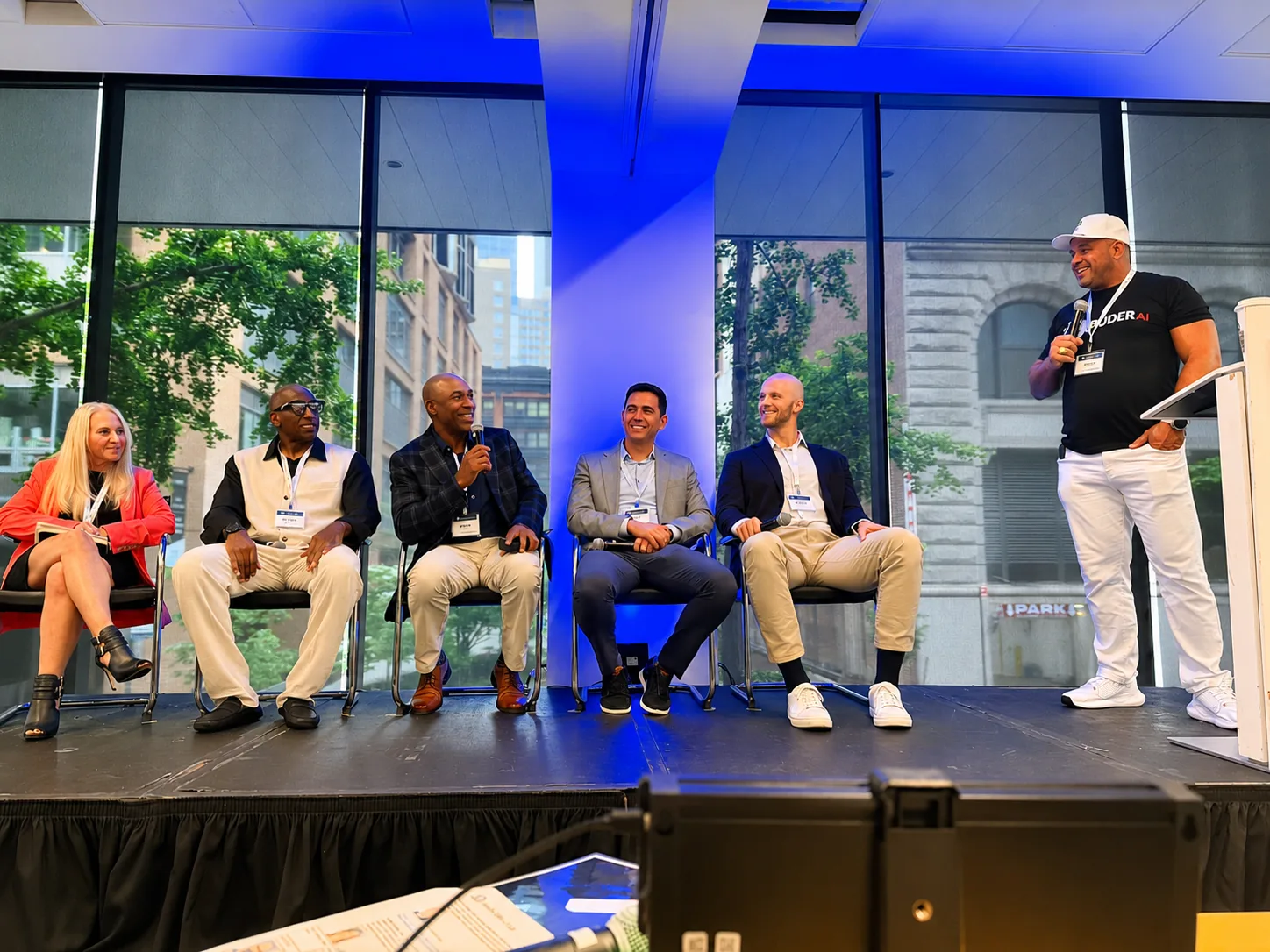
If you have just received a large sum, you do not have to commit quickly. Many investors set aside time to compare opportunities first. A speaker at a Family Office Club event described building a set due diligence process of at least 40 hours before any commitment, so that snap decisions do not creep in.
Our Subscription Agreement Checklist gives you a page to mark up as you read.
Frequently asked questions
Is a subscription agreement the same as a PPM?
No. The PPM describes the offering, the company and its risks. The subscription agreement is the contract you sign to buy in. Many offerings bundle the two, so the subscription agreement often appears as a section or attachment within the PPM package.
Can I negotiate a subscription agreement?
Sometimes, though terms are often standard because the issuer uses the same form for every investor. Larger investors may have more room. You can always ask questions and request clarification in writing. Side letters, where allowed, can address specific points for one investor.
What happens after I sign?
The issuer reviews your answers, may check your accredited status, and then accepts or declines your subscription. If accepted, you fund as directed and receive confirmation of your shares or units. The issuer also files a Form D notice with the SEC within 15 days after the first sale, which is part of the issuer's process rather than yours.
Related reading
- What documents will I sign when I invest in a private deal?
- Accredited Investor Verification Documents Checklist
- Private Investor Document Organization Checklist
- Operating Agreement Review Checklist
- The Bad Actor Rule and How It Protects Investors
This site is built from over 19 years of Family Office Club workshops, bootcamps, masterminds and investor events. The club has 17 million registered LinkedIn group members, 19 million social media followers in total, 345 events held and $1B in transactions completed between our members.
Sources
- Direct Investments, a book by Richard C. Wilson
- The Single Family Office, a book by Richard C. Wilson
- Family Office Club event
- SEC Rule 501(a), definition of accredited investor (eCFR)
- SEC Rule 506 (eCFR)
- SEC: Accredited investors
- SEC Rule 144 (eCFR)
- SEC EDGAR full-text search
