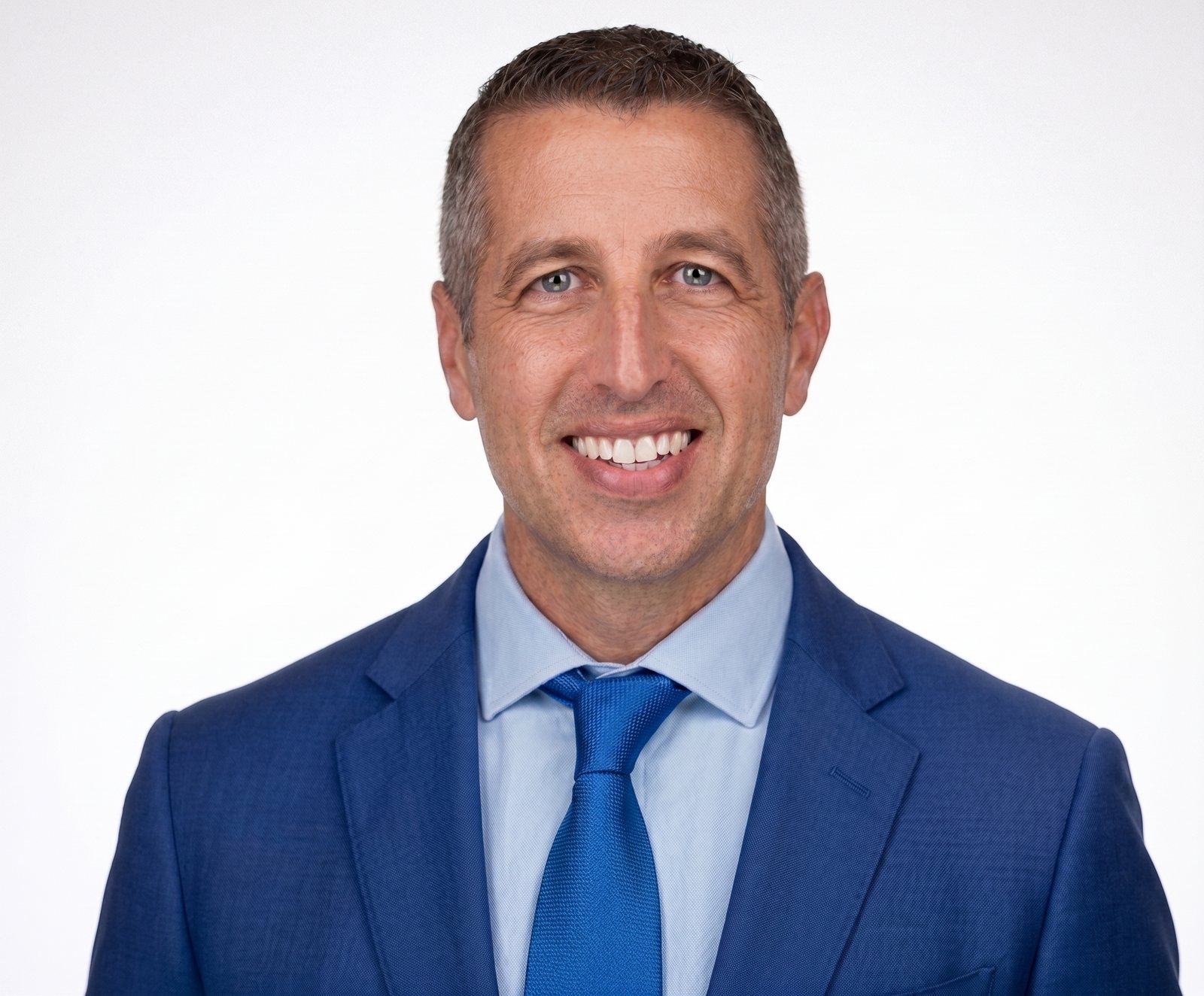
The Case for Real Assets in Private Portfolios
Land and timber have served as foundational wealth preservation assets for generations. In his book on single family offices, Richard C. Wilson writes that wealthy families frequently invest in hard assets, such as timber in the Pacific Northwest, because they offer tangible stability that public equities cannot match. A company can lose its market capitalization overnight after a poor earnings report, but physical land retains intrinsic utility and value.
For accredited investors, farmland and timber provide three primary benefits:
- Tangible asset backing that cannot go to zero.
- Natural inflation protection, as commodity prices and land values historically rise alongside general price levels.
- Low correlation to traditional public equity and bond markets.
These investments require patience. They are illiquid and reward investors who can hold through economic cycles without needing immediate liquidity.
Understanding Farmland: Row Crops, Permanent Crops, and Water Rights
Farmland investing generally splits into two categories: row crops and permanent crops. Row crops include annual staples such as corn, soybeans, and wheat. Permanent crops include fruit and nut orchards, such as almonds or citrus, which require several years of capital investment before producing harvest revenue.
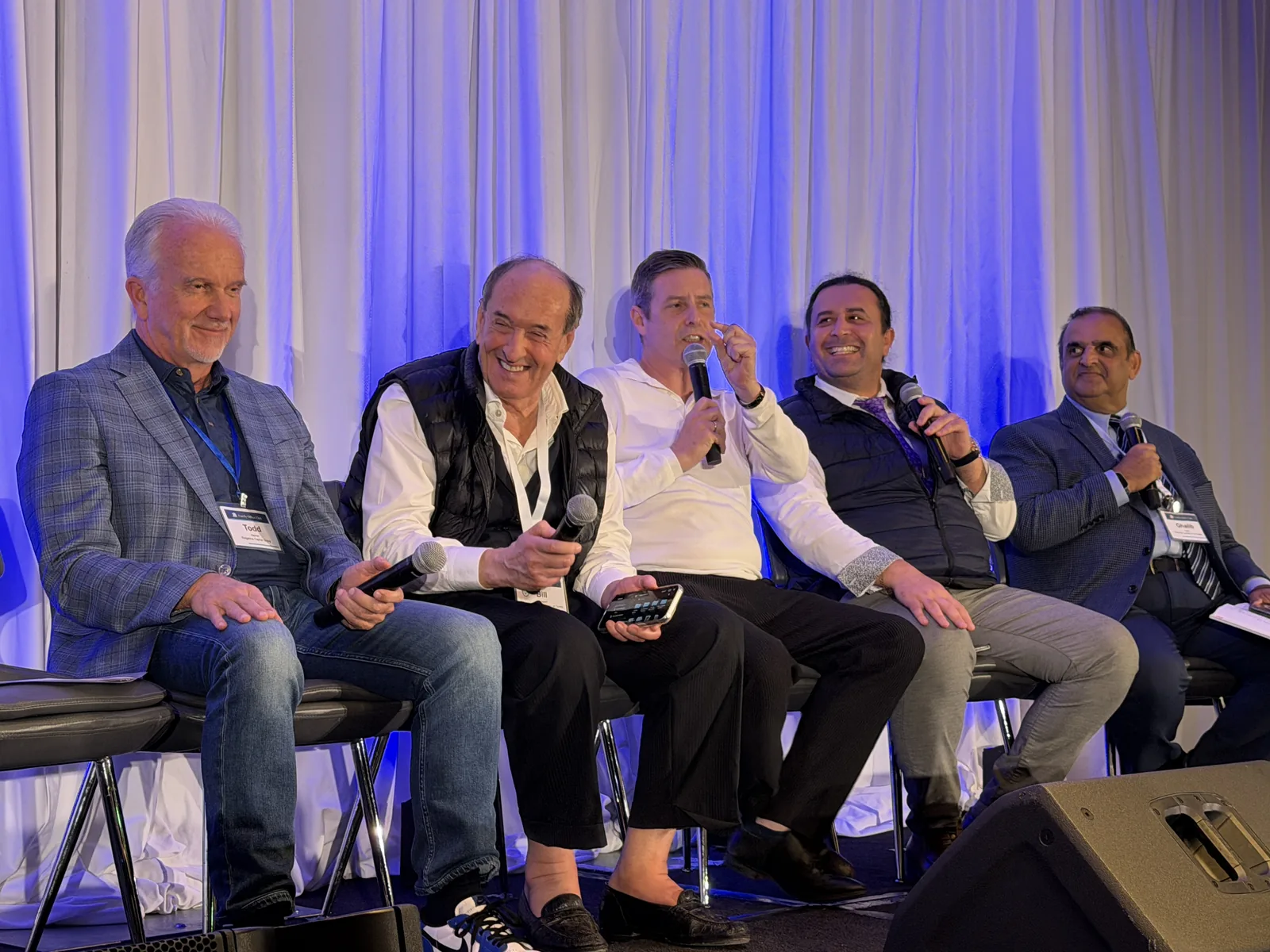
A speaker at a Family Office Club event pointed out that while some investors are drawn to lifestyle properties like vineyards or horse farms, institutional land buyers focus on productive row crop acreage in regions such as the American Midwest and the Mississippi Delta. The speaker noted that while traditional real estate relies on location, agricultural land value is driven primarily by water access and soil quality. Land with reliable natural rainfall or senior water rights carries a substantial long-term operational advantage.
Farmland managers generate returns through several mechanisms:
- Cash rent paid by tenant operators, providing steady baseline income.
- Crop-share agreements that allow investors to participate in commodity price upside.
- Value-add improvements, such as converting acreage to certified organic production, installing modern drainage, or adding solar ground leases.
Understanding Timber: Biological Growth and Harvest Timing
Timberland operates on a unique economic model driven by biological tree growth. Trees continue to add volume and value each year regardless of wider economic conditions. If timber prices drop during a market downturn, a land manager can simply choose not to harvest. The inventory remains on the stump, growing larger and more valuable until market pricing improves.
Timber returns come from three distinct sources:
- Biological volume growth as trees mature into higher-value wood products, moving from pulpwood to sawtimber.
- Land appreciation over long holding horizons.
- Periodic timber sales, hunting leases, and conservation easements.
Pacific Northwest softwood tracts and Southern yellow pine plantations represent the primary commercial timber markets in the United States. Each region offers different growth rates, harvest cycles, and proximity to mills and export ports.
Fitting Land Assets into Reader Goals
Different investor profiles approach real land assets with distinct objectives:
- Retirees and pre-retirees: Investors in this phase often seek steady income with high capital preservation. Farmland leased to experienced tenant farmers can deliver predictable cash yields while protecting principal against inflation.
- Families and the next generation: Multi-generational families frequently use timber and farmland as legacy holdings. These illiquid, multi-decade assets help anchor wealth across generations. Many families establish a clear framework for these long-term commitments using A Family Investment Policy Statement, Step by Step.
- Seasoned investors: Experienced allocators look for operational inefficiencies and value-add opportunities. They might target properties where water infrastructure upgrades, organic conversion, or renewable energy leases can increase baseline returns. When building out an allocation across multiple private sponsors, disciplined capital deployment matters, as explained in Pacing Your Commitments in a Private Portfolio.
Investment Structures and Due Diligence
Accredited investors access farmland and timber through private placements, direct syndications, and pooled funds. Most private land offerings rely on Rule 506(b) or Rule 506(c) of Regulation D. Under Rule 506(c), issuers can discuss offerings publicly but must verify that every purchaser is an accredited investor.
To qualify under the regulatory net worth test, an investor must have a net worth exceeding $1,000,000, alone or with a spouse or spousal equivalent, excluding the primary residence. Alternatively, an investor qualifies under the income test with annual income exceeding $200,000 individually (or $300,000 jointly with a spouse or spousal equivalent) in each of the two most recent years, with a reasonable expectation of the same level in the current year.
When evaluating a farmland or timber sponsor, review these practical points:
- Water security: Verify the water rights, aquifer levels, and historical irrigation reliability of the underlying parcels.
- Operator track record: Assess whether the team has operational agricultural experience or merely financial deal-structuring background.
- Fee alignment: Examine acquisition fees, asset management fees, and performance hurdles.
- Exit liquidity: Understand the target hold period, which typically ranges from seven to fifteen years for private land funds.
Holding these illiquid assets in family entities or trusts is common. You can learn more about entity structuring in our guide on Trusts and Accredited Investor Status.
Frequently asked questions
How do farmland and timber investments hedge against inflation?
Farmland produces essential food commodities, while timber produces raw industrial materials. When general prices rise, the market value of crops, lumber, and the underlying productive acreage historically trends upward as well. This link to essential physical goods provides a natural shield against currency purchasing power erosion.
What is the typical holding period for a private timber or farmland fund?
Most private real asset funds require a commitment of seven to fifteen years. Timberland requires time for trees to mature into higher-grade lumber, while farmland strategies often need several years to implement crop rotations, drainage improvements, or organic certifications. Investors should treat these as strictly illiquid allocations.
Can I hold private land investments inside a trust?
Yes, trusts frequently hold private farmland and timber investments for estate and asset protection purposes. A trust qualifies as an accredited investor if it has total assets exceeding $5,000,000, was not formed solely to buy the securities, and has its investment decisions directed by a sophisticated person. Revocable trusts can also qualify when all grantors meet individual accredited investor standards.
Related reading
- Private Investing for Doctors and Physicians
- Knowledgeable Employees and Private Fund Access
- Retirees Seeking Income: Private Investments Overview
- Search Funds and Small Business Acquisition Investing
- Entity Accredited Status Checklist
- Accredited Investor Test Calculator
This site is built from over 19 years of Family Office Club workshops, bootcamps, masterminds and investor events. The club has 17 million registered LinkedIn group members, 19 million social media followers in total, 345 events held and $1B in transactions completed between our members.
Sources
- Family Office Club investor event
- The Single Family Office, a book by Richard C. Wilson
- SEC Rule 501(a), definition of accredited investor (eCFR)
- SEC Rule 506 (eCFR)
- SEC: Accredited investors
- SEC staff review of the accredited investor definition
- BLS Consumer Price Index