
Why In-Person Meetings Matter for Due Diligence
Paper presentations often look appealing. A well-designed pitch deck and an attractive track record can make an offering seem simple. In practice, private investments depend almost entirely on execution.
At a Family Office Club event, an experienced direct lender noted that every single default in their lending history came down to a failure of execution by the sponsor. For that reason, their firm requires a senior partner to meet face-to-face with the sponsor on every potential transaction before funding. In some cases, a deal looks flawless on paper, but a personal conversation reveals warning signs that cause them to walk away. In other cases, a difficult project with strong, trustworthy operators turns into a multi-year, highly profitable partnership.
Meeting in person helps you assess:
- How deeply the manager understands their local market and day-to-day operations.
- Whether they display genuine confidence or lean on rehearsed sales talk.
- How they respond when asked difficult questions about past mistakes, delays, or cost overruns.
- Whether their personality suggests they will be transparent or contentious during challenging times.
Reviewing our Investor Event Preparation Checklist can help you plan your time and prioritize which managers to approach before you arrive.
How to Approach Sponsors During Event Sessions and Breaks
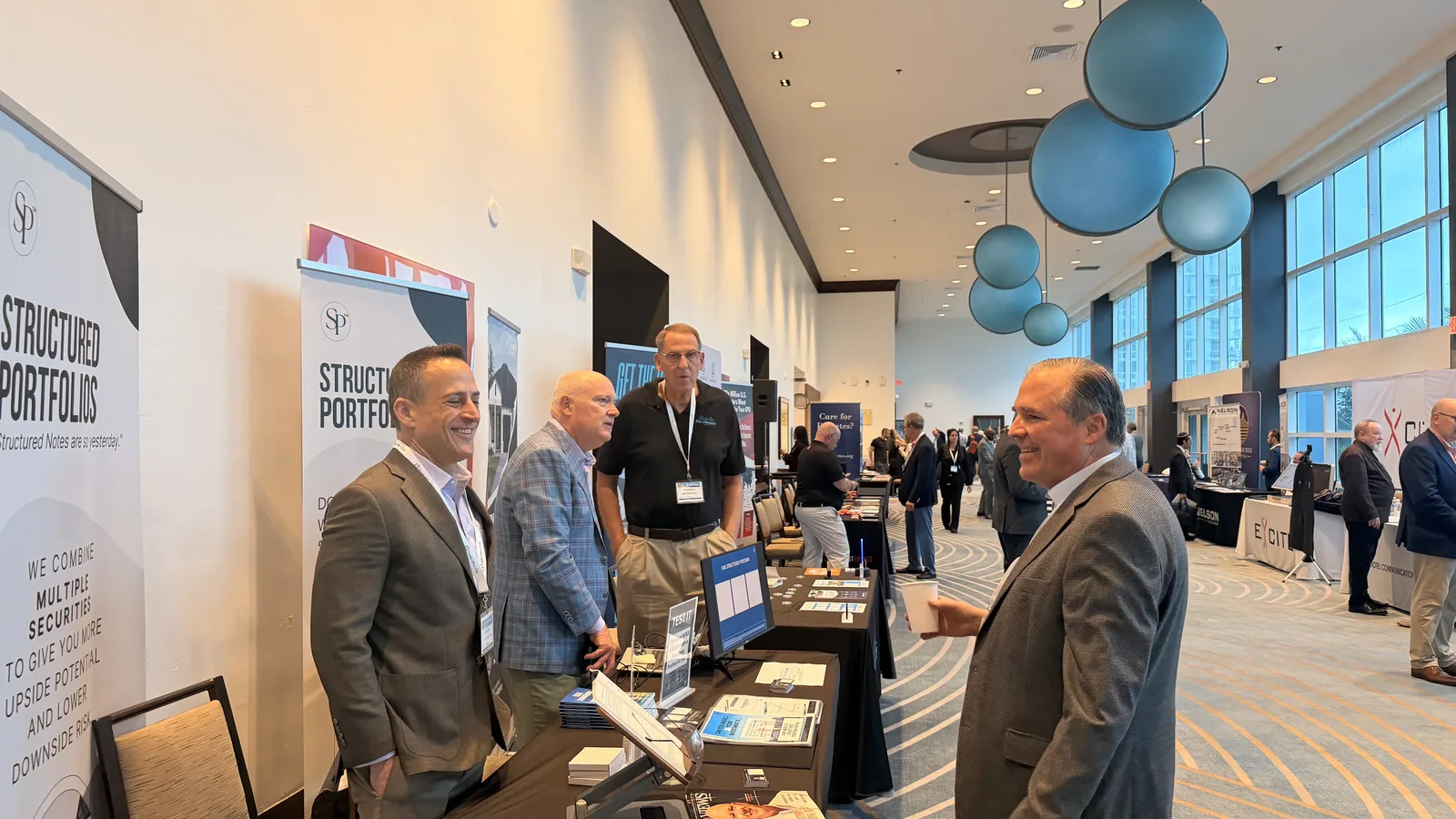
Conferences, summits, and roundtables provide multiple opportunities to interact with managers. You can observe them from the audience during panel presentations, approach them during networking breaks, or sit with them at lunch tables.
When approaching a manager, start with direct, curious questions rather than talking about your capital or wealth. Ask about their current focus:
- What specific operational challenges are you seeing in your asset class right now?
- How is your team handling cost pressures and debt terms on current projects?
- What does your ideal co-investor look like?
Listen to how they talk about their business. A good manager explains their operational strategy in simple, clear terms without relying on jargon. If a sponsor seems defensive or dismissive when you ask about downside protection, take note. A healthy manager welcomes thoughtful scrutiny. You can find more practical habits in our guide on 12 Tips for Attending Investor Events.
Key Questions to Ask Fund Managers
Private placements under Regulation D often come with multi-year commitments and restricted liquidity under Rule 506. Because these assets are not publicly traded, your initial diligence must be thorough.
Here are four areas to explore when speaking with a manager:
- Alignment of Interest: How much of their own cash is invested in the general partnership on the exact same terms as limited partners? Do they earn the bulk of their income from asset management fees or from performance after returning capital?
- Track Record and Realized Exits: Ask how many deals they have taken through an entire market cycle from acquisition to sale. Have any of their previous projects required capital calls, debt restructuring, or operator changes?
- Execution and Operations: Who oversees day-to-day property management, construction, or portfolio operations? Is that work handled in-house or outsourced to third parties?
- Communication and Reporting: How frequently do they send investor updates? What happens when a project falls behind schedule or misses financial targets?
At a Family Office Club workshop, Richard C. Wilson explained that seasoned investors look closely at how sponsors behave when things go wrong, because market disruptions happen in every long-term asset class.
Evaluating What You Learn at Events
After speaking with several managers, step back and compare their answers. A speaker at a Family Office Club event noted that early in his career, he saw how significant the financial rewards are for sponsors when a deal goes right. That realization highlights why investors must verify every claim.
Do not rely solely on what a manager says in a casual conversation. Use the event to filter managers into two groups: those worth your time for deep due diligence, and those you will pass on.
For managers who make a positive impression:
- Request their offering memorandum, subscription agreement, and historical financial audits.
- Ask for contact information for past investors, lenders, and key vendors.
- Check their regulatory filings, such as Form D notices filed with the SEC, to confirm basic details about their offerings.
- Review their fee structures and performance hurdles carefully.
To gain additional perspective on evaluating opportunities alongside your peers, read our guide to 10 Tips for Learning From Other Investors.
Meeting Managers Across Different Investor Situations
Your goals at an event will depend on your background, experience, and current financial priorities.
First-Time Accredited Investors
If you recently qualified under the individual net worth threshold of over $1,000,000 excluding your primary residence, or the income threshold of over $200,000 individually or $300,000 with a spouse or spousal equivalent, treat your first events as learning sessions. Focus on understanding how deals are structured. Listen to how experienced allocators question sponsors on stage. Do not feel rushed to write a check.
Investors With New Capital After a Business Sale or Windfall
If you recently sold a business or received a significant inheritance, you may suddenly find yourself managing liquid wealth that requires diversification. You will likely attract attention from managers seeking allocations. Protect your time by keeping your initial conversations focused on their investment thesis rather than your liquidity. Take notes, collect materials, and review them after the event.
Seasoned Investors and Family Offices
If you are an experienced investor, events serve as a direct channel for deal flow and co-investment partnerships. You can use your domain knowledge to quickly test whether a sponsor has true operational discipline or is simply aggregating capital. You may also explore whether the sponsor offers favorable terms for larger checks or direct operating participation.
Frequently asked questions
Should I commit capital to a sponsor at an event?
No, you should never commit capital or sign subscription documents on the spot at an event. Use in-person meetings solely for initial relationship building and character evaluation. Conduct formal due diligence, background checks, and document reviews from home after the conference concludes.
How do I verify if a manager's offering complies with SEC rules?
Ask the sponsor whether their offering is conducted under Rule 506(b) or Rule 506(c) of Regulation D. Under Rule 506(c), the issuer must take reasonable steps to verify that every investor is accredited, while Rule 506(b) does not allow general solicitation. You can also search the SEC database to confirm they have submitted their Form D filing.
What is the biggest red flag when talking to a fund manager?
The biggest warning sign is an unwillingness to discuss past mistakes, losses, or project delays. A trustworthy manager speaks openly about what went wrong on difficult deals and what they learned. If a sponsor claims every past deal exceeded expectations or becomes defensive when questioned, you should move on.
Related reading
- How do I meet family offices as a new investor?
- Co-Investments Alongside Funds and Sponsors
- 15 Tips for Asking Sponsors Better Questions
- 12 Tips for Networking With Family Offices
- Getting the Most From Investor Events
- Accredited Investor Test Calculator
This site is built from over 19 years of Family Office Club workshops, bootcamps, masterminds and investor events. The club has 17 million registered LinkedIn group members, 19 million social media followers in total, 345 events held and $1B in transactions completed between our members.
Sources
- Family Office Club investor event
- SEC Rule 501(a), definition of accredited investor (eCFR)
- SEC Rule 506 (eCFR)
- SEC: Accredited investors
- SEC EDGAR full-text search